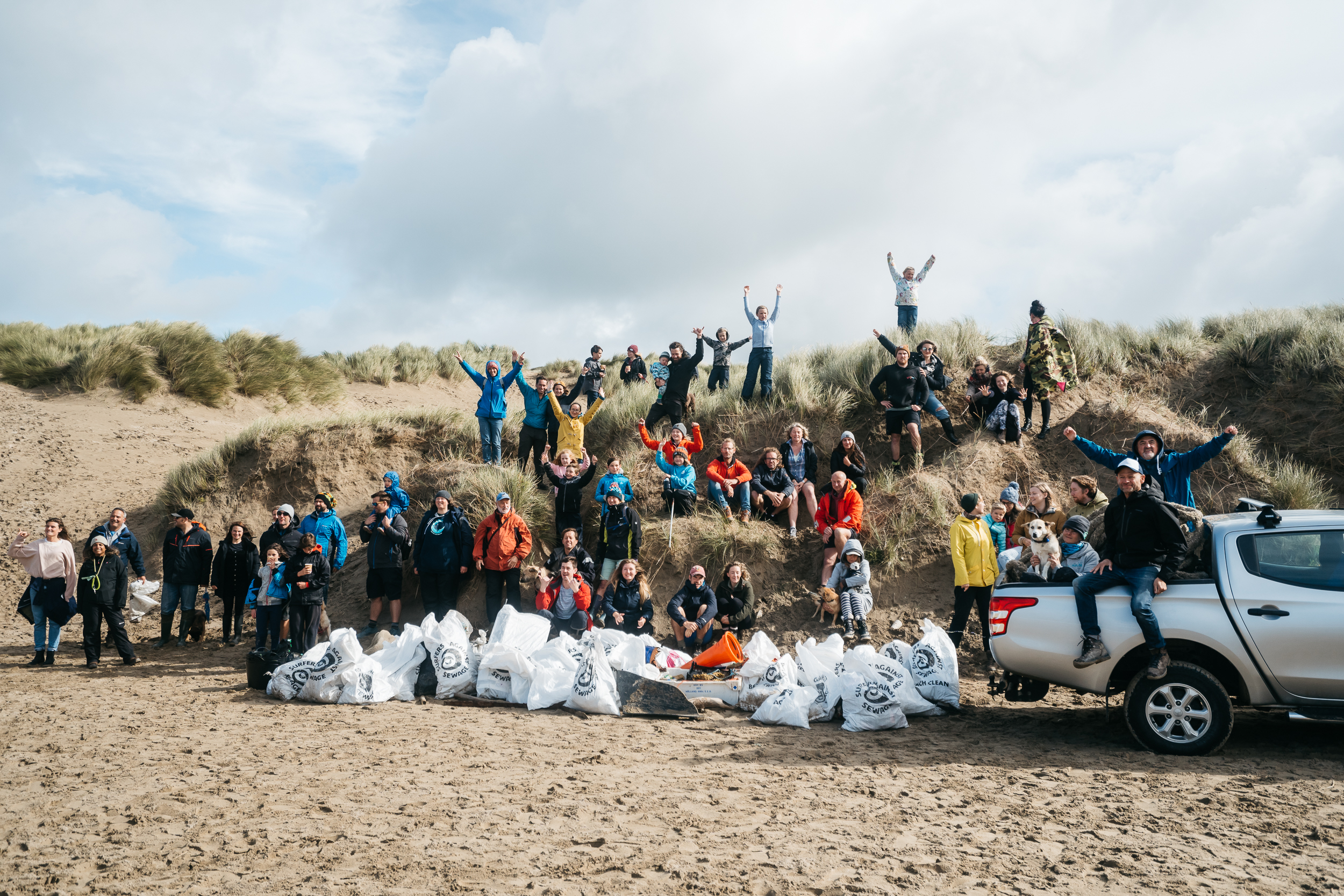
Take part in a Million Mile Clean
Take part in the UK's biggest plastic pollution clean-up. The Million Mile Clean is an annual action bringing Ocean Activists together to tackle plastic pollution head on.
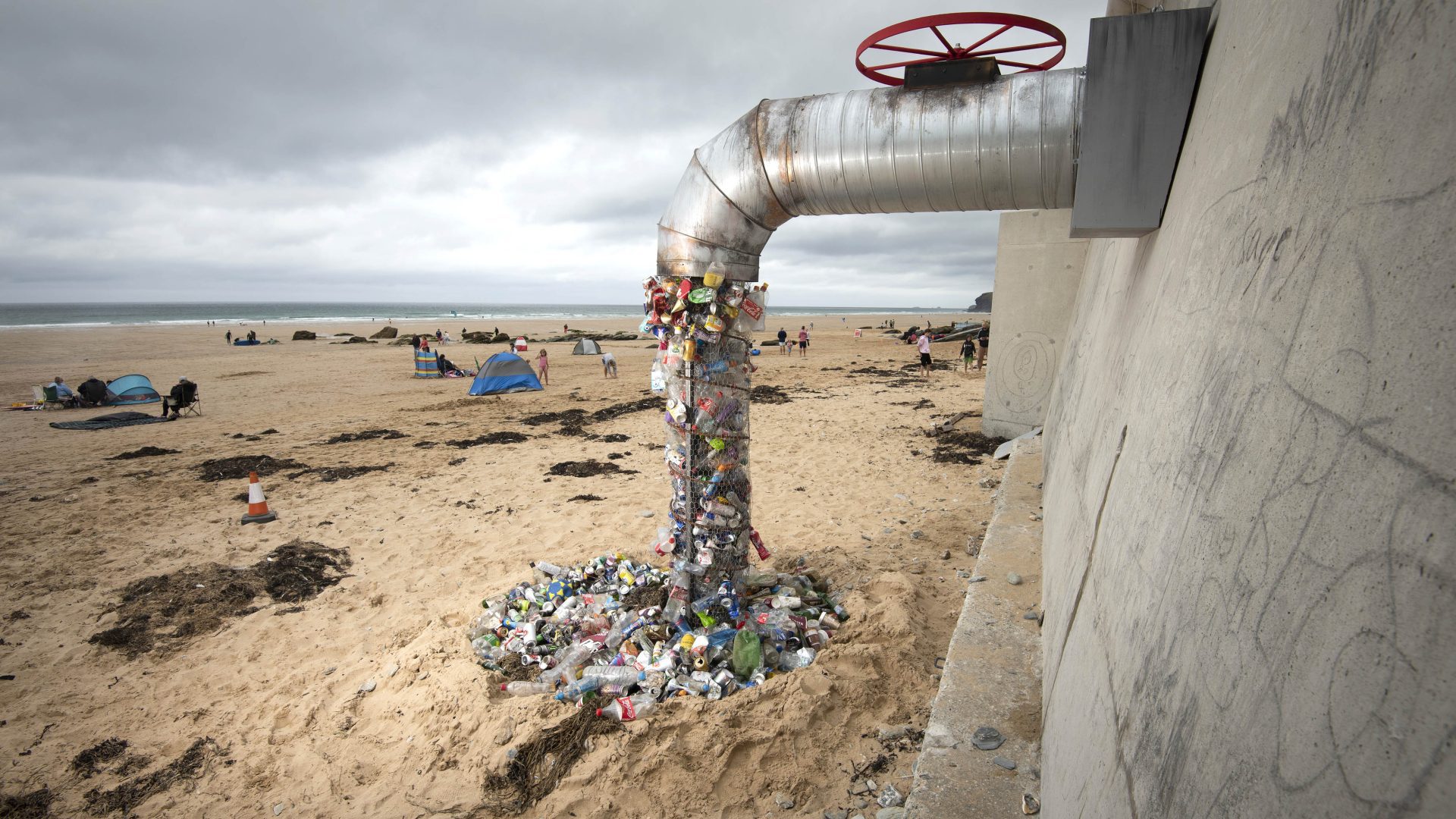
A plastic tide has swept across the globe and is choking the ocean. It's time to hold the polluters to account.
Plastic pollution remains a huge threat to our seas, rivers and lakes. For decades, Surfers Against Sewage and our movement have worked to expose plastic polluters, challenge throwaway culture and demand change. Through citizen science, our Brand Audit, campaigning for action at source and supporting community action, we’ve helped shine a light on the scale of the crisis and show why recycling alone isn’t enough.
Our new organisational strategy puts our campaigning focus firmly on ending sewage pollution, so we won’t be continuing our dedicated plastic pollution campaigning. But the work we’ve done, the knowledge we’ve shared and the power of our movement remain an important part of our story. We’re also continuing to support practical action through the Million Mile Clean, bringing people together to remove litter from beaches, rivers, streets and green spaces. Our plastic pollution reports, resources, educational content and guides for individuals and businesses also remain available below, sharing what we’ve learned and helping people understand and tackle plastic pollution in their local environments, before it reaches our waters.
You can take action in your local community to help tackle plastic pollution.
Take part in the UK's biggest plastic pollution clean-up. The Million Mile Clean is an annual action bringing Ocean Activists together to tackle plastic pollution head on.

Small actions really do add up when we all take them together. Be in the know about single-use plastic and download your free Plastic Free Pollution Guide and Individual Action Plan.



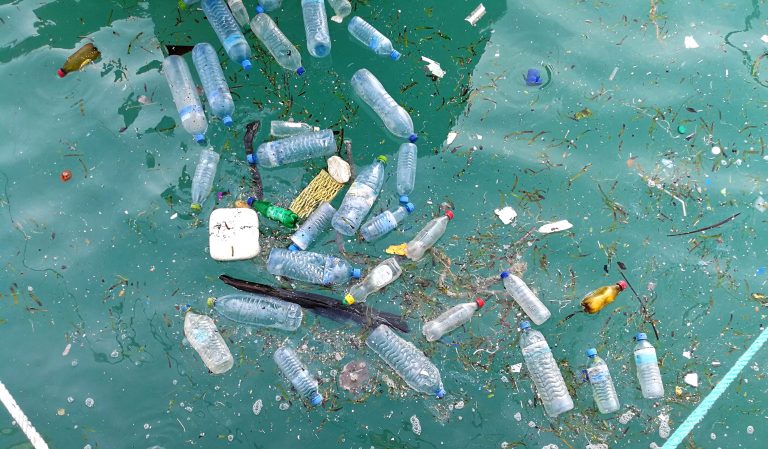
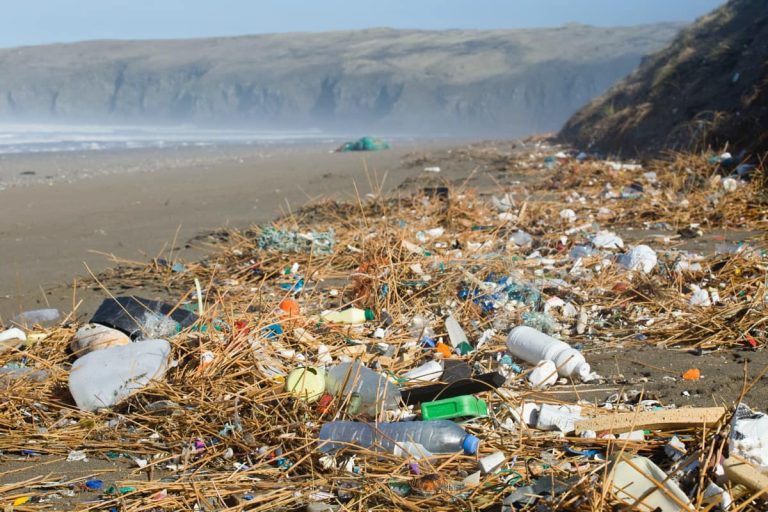
Plastic pollution refers to plastic waste that ends up in environments where it shouldn’t be—including our rivers, coasts, and the ocean. It’s even been found in the human body now.
Plastic pollution includes everything from single‑use bottles to micro‑ and nanoplastic fragments. We are living in a toxic plastic pandemic. That’s why we’ve campaigned to end plastic pollution across UK waters.
Plastic causes pollution when it’s over‑produced, single-use, and not reused. Plastics don’t disappear over time. Instead they break down into smaller and smaller pieces, known as microplastics. These tiny particles enter the ocean food chain and have been found inside humans, seriously impacting our health.
Poor recycling systems mean only about 9% of all plastic ever made is recycled—most ends up burned, landfilled or leaking into rivers and seas. We believe that reduction at source, not just end‑of‑life recycling, is vital.
Plastic pollution is catastrophic for all life on earth, including marine ecosystems and human health. Over 98 % of plastic is made from fossil fuels, and 2.5 tonnes of CO₂ are generated in producing just 1 tonne of plastic. Yearly plastic emissions from production could hit 2.1 gigatonnes by 2040, threatening climate targets. Marine life is suffocated or poisoned by plastics, while microplastic particles infiltrate food chains.
Plastic enters the ocean through mismanaged waste—from rivers, streets and coastal litter—as well as microplastic particles in our water system. Our Million Mile Clean volunteers collect this pollution while also documenting brand data and item types to show the real sources of marine plastic pollution.
We know plastics kill wildlife—hundreds of thousands of marine mammals and birds die every year from entanglement and ingestion.
But plastics are also making their way into our bodies. Microplastics—tiny fragments of broken-down plastic—have now been found in the food we eat, the water we drink, and even the air we breathe. A 2023 study estimates that we ingest the equivalent of a credit card’s worth of plastic every week through food and drink.
Microplastics have been detected in bottled and tap water, seafood, table salt, and even fruit and vegetables. They’ve also been found in human blood, lungs, and placentas—raising urgent questions about long-term health impacts. While we don’t yet fully understand the consequences, early research links microplastic exposure to inflammation, hormonal disruption, and potential immune system effects.
Plastic pollution isn’t just killing marine life—it’s infiltrating our bodies. That’s why we’re demanding bold, systemic action to stop plastic at the source, before it ends up in our oceans, on our beaches, and on our plates.
Every year, approximately 11 million tonnes of plastic flow into the ocean—equivalent to dumping 2,000 garbage trucks into seas every single day. About 85–98 % of marine plastic pollution originates on land—from littered streets, mismanaged waste, storm drains or sewage.
Our Million Mile Clean data shows the scale of pollution still being collected from coastlines across the UK. SAS volunteers document and collect this pollution via citizen science, pinpointing the brands, materials and sources to push for systemic solutions.
Plastic pollution accelerated after the 1950s—the era of mass production and single‑use culture. Today, our surveys show over 27,000 single-use drink containers collected from 487 UK sites in one study alone. Volunteer efforts have helped remove over 43 million single-use items per year via the Plastic Free Communities movement.
Plastics can persist in marine environments for centuries. For instance, a single‑use plastic bottle may take 450 years or more to fragment into microplastics. Every piece of plastic ever produced still exists in some form. That’s why we need to reduce production and create circular economies—plastic doesn’t biodegrade within human lifetimes.
Recycling alone isn’t enough. Globally only around 9% of plastic has ever been recycled—most ends up burned, landfilled or exported, and becomes pollution. UK recycling rates hover around that level due to limits in infrastructure and export dependency.
That means >90 % of plastic becomes waste, pollution or incineration by-product. At SAS, we advocate for reduction, reuse, refill—not reliance on limited recycling systems.
To effectively fight plastic pollution at scale in the UK, we need:
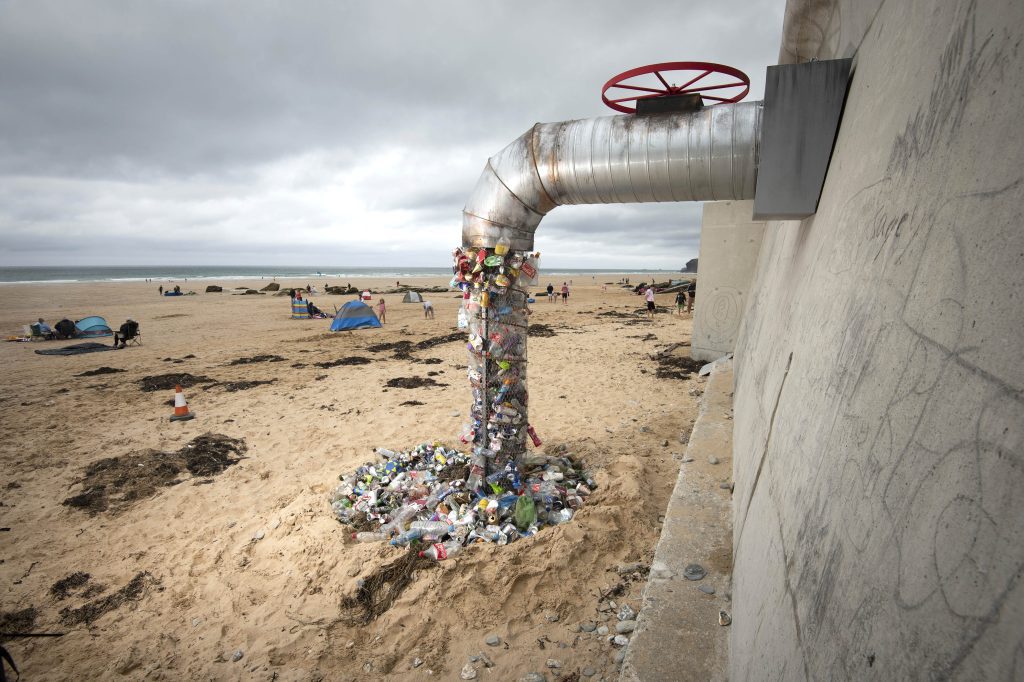
Our Citizen Science Brand Audit reveals that, year after year, the same huge companies are responsible for the packaging pollution choking our environment.