A heritage anchored in the ocean
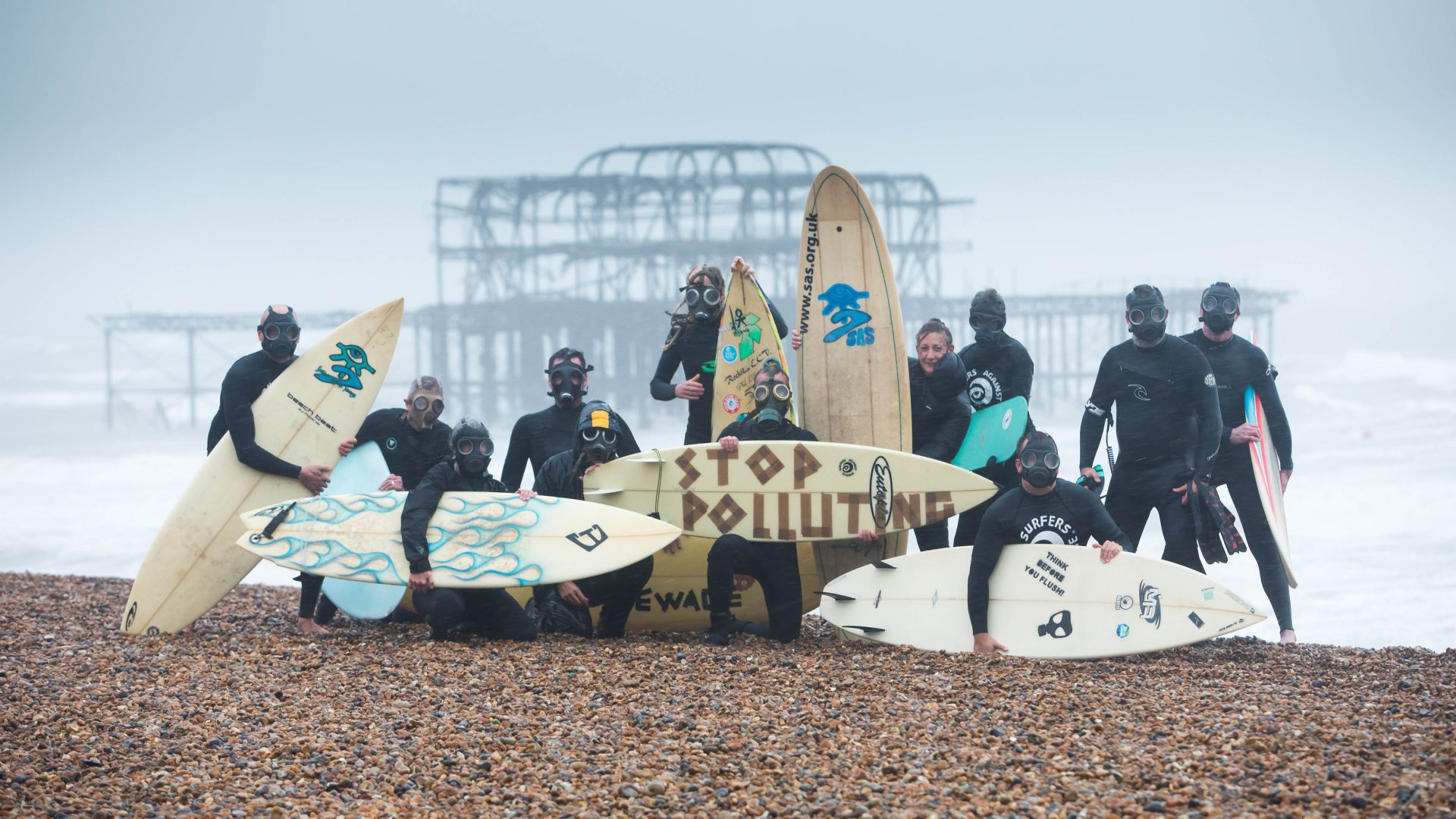
Surfers Against Sewage began life 30 years ago as a response from the surfing community to the shocking state of our coastline. Back then, anyone who ventured into the water often found themselves swimming in raw sewage. There are tales of sanitary towels on heads and human poo sandwiched between bodies and boards. Enough was enough.
What started as a local uprising is now a vital community of nationwide Ocean Activists fighting to see the ocean thrive. Our numbers have swelled well beyond just surfers, from swimmers to sandcastle builders, beach lovers to dog walkers, and everyone else in between who cares about our coastline. And our causes have swelled beyond water quality too. Because there are numerous threats to the ocean – and to our life on earth as a result.
A lot has changed in the three decades since Surfers Against Sewage was formed. But we’re still a group of water lovers fighting back, to clean up the ocean we all depend on. It’s just that now there are more of us, with more corners to fight.
Small but mighty
From humble beginnings in St Agnes Church Hall in 1990, we’ve stayed close to our coastal roots. These days, we’re based just up the road at our St Agnes HQ, where we can keep an eye on the waves.

Around 40 of us work at Surfers Against Sewage HQ full-time. And we’re small for a reason.
Both strategic and resourced, our size means we can stay responsive, independent and agile. It means we can be truthful and open, reporting on the issues and evidence from the frontline without compromise.
Our core team may be compact, but our reach and influence flows far wider.
We create Ocean Activists everywhere, through innovative and inclusive activity across diverse channels (you can read our Equity, Diversity and Inclusion statement here). It all adds up to a community of people rising up and fighting back. An unstoppable movement to challenge and change current structures and processes that are failing to protect the health of the blue planet. With Surfers Against Sewage at its heart.
Become an Ocean Activist