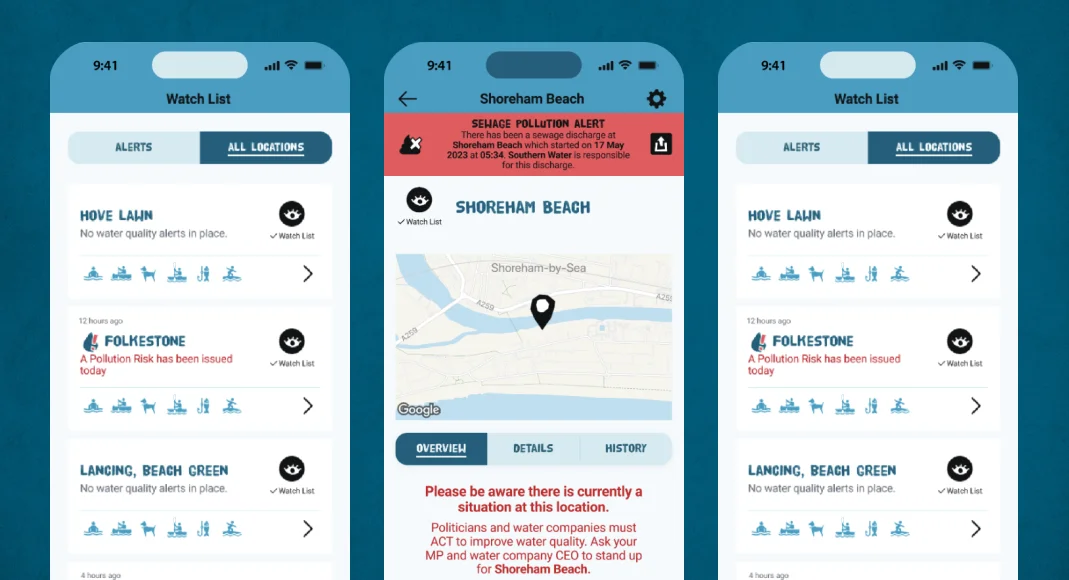
Get our sewage alert app
Stay safe in the water with our free app. Get real-time pollution alerts for your favourite beaches, rivers and lakes across the UK.
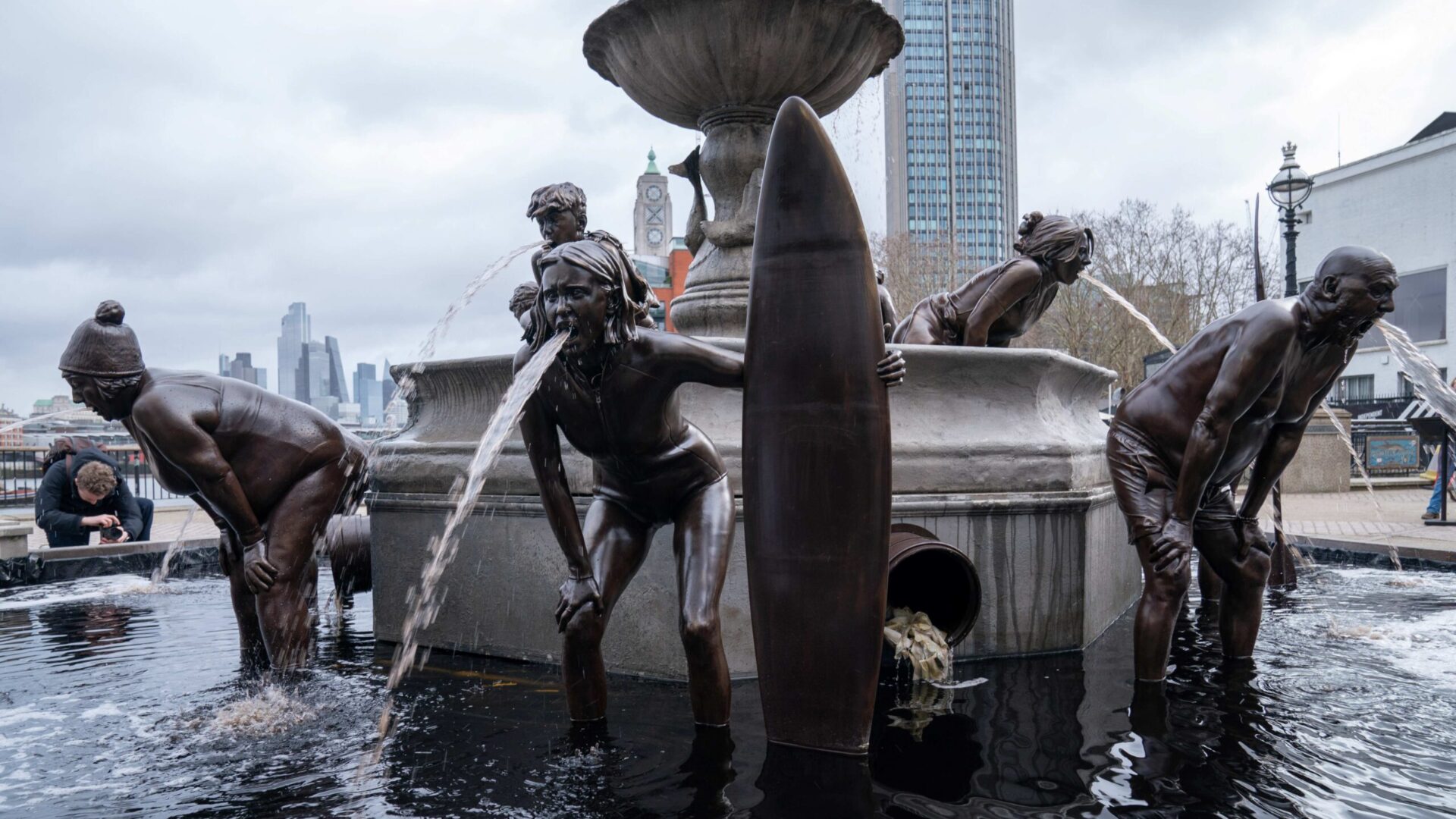
Safe, clean water should be a fundamental right, not a revenue stream. But hundreds of sewage discharges still occur daily in the places that are supposed to be safe – all whilst water company bosses and shareholders strip the system bare to line their deep pockets.
Since Dirty Business aired on Channel 4, over 300,000 Ocean Activists have already joined us in calling for an end to the current privatised water industry. And the Government have been feeling the pressure. We’ve brought your voices into meeting rooms with key decision makers, including the Environment Secretary, Emma Reynolds.
And we won’t stop there. The Clean Water Bill will make its way through parliament this year, and we’re gearing up to throw everything at this moment. Because, as it stands, it risks locking us into the same old broken system. It does nothing to end this failed privatised model or restructure water companies to deliver in the public interest. We must make sure our new Prime Minister gets it right before we are locked in for another 30 years.
This is our once-in-a-generation opportunity to actually fix the water industry, so we need everyone onboard with us to protect our rivers and seas. Will you join us?
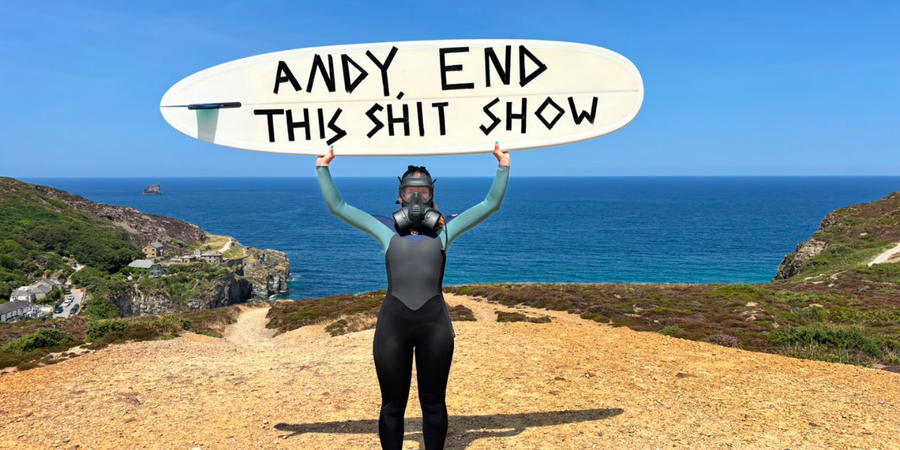
You can still help us keep the pressure on ahead of the Water Reform Bill. Share this petition with even just one friend, and we could reach half a million signatures – a mandate that Andy Burnham won’t be able to ignore.
Stay safe in the water with our free app. Get real-time pollution alerts for your favourite beaches, rivers and lakes across the UK.
Tell us if you’ve been sick after swimming, surfing or using our lakes, rivers and seas and help us to build a picture of the scale of the problem.
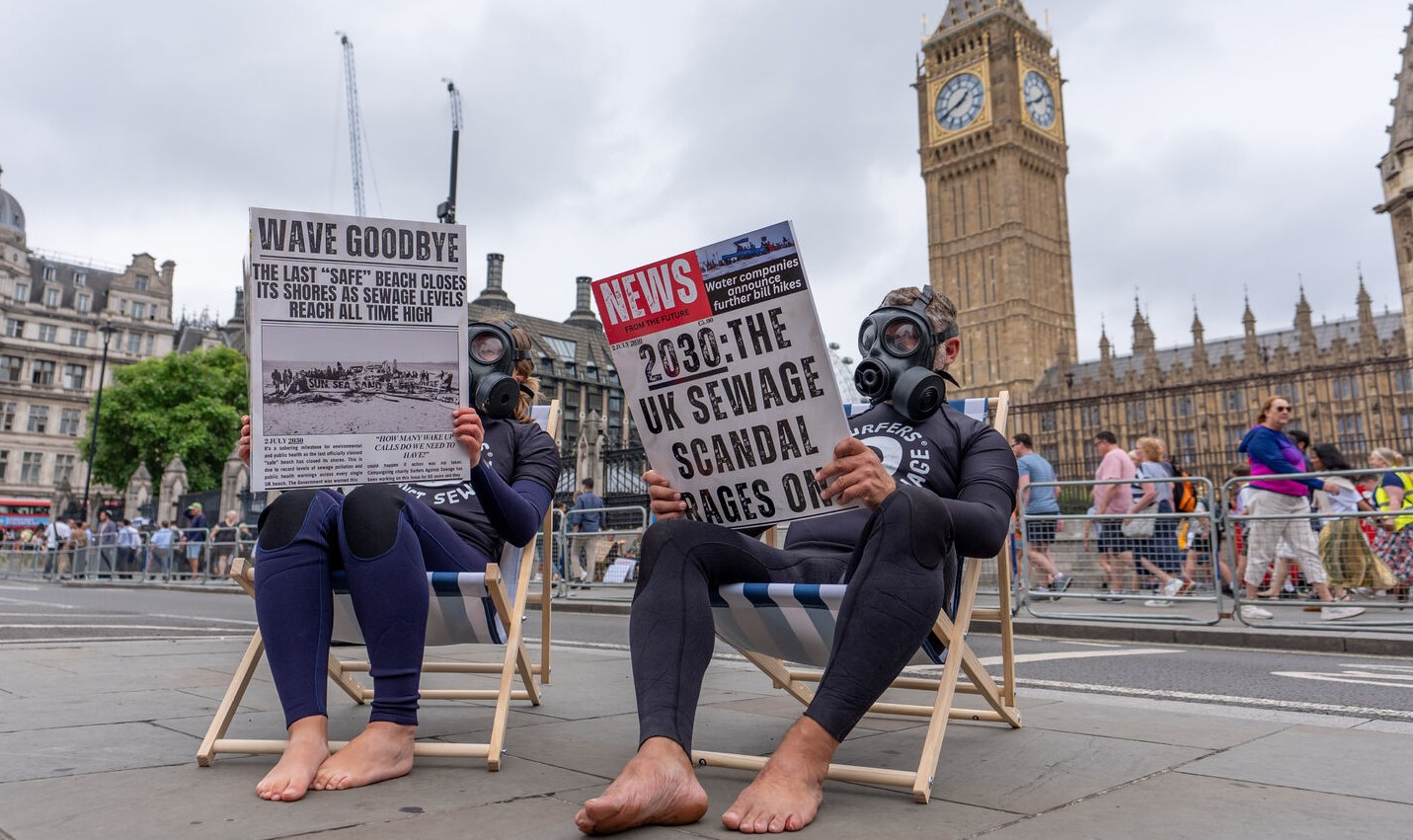
Packed with tips, resources and ways to influence your MP in England, this action guide is designed to equip you with the skills and confidence to lobby decision-makers, hold water companies accountable, and expose the truth about sewage pollution.
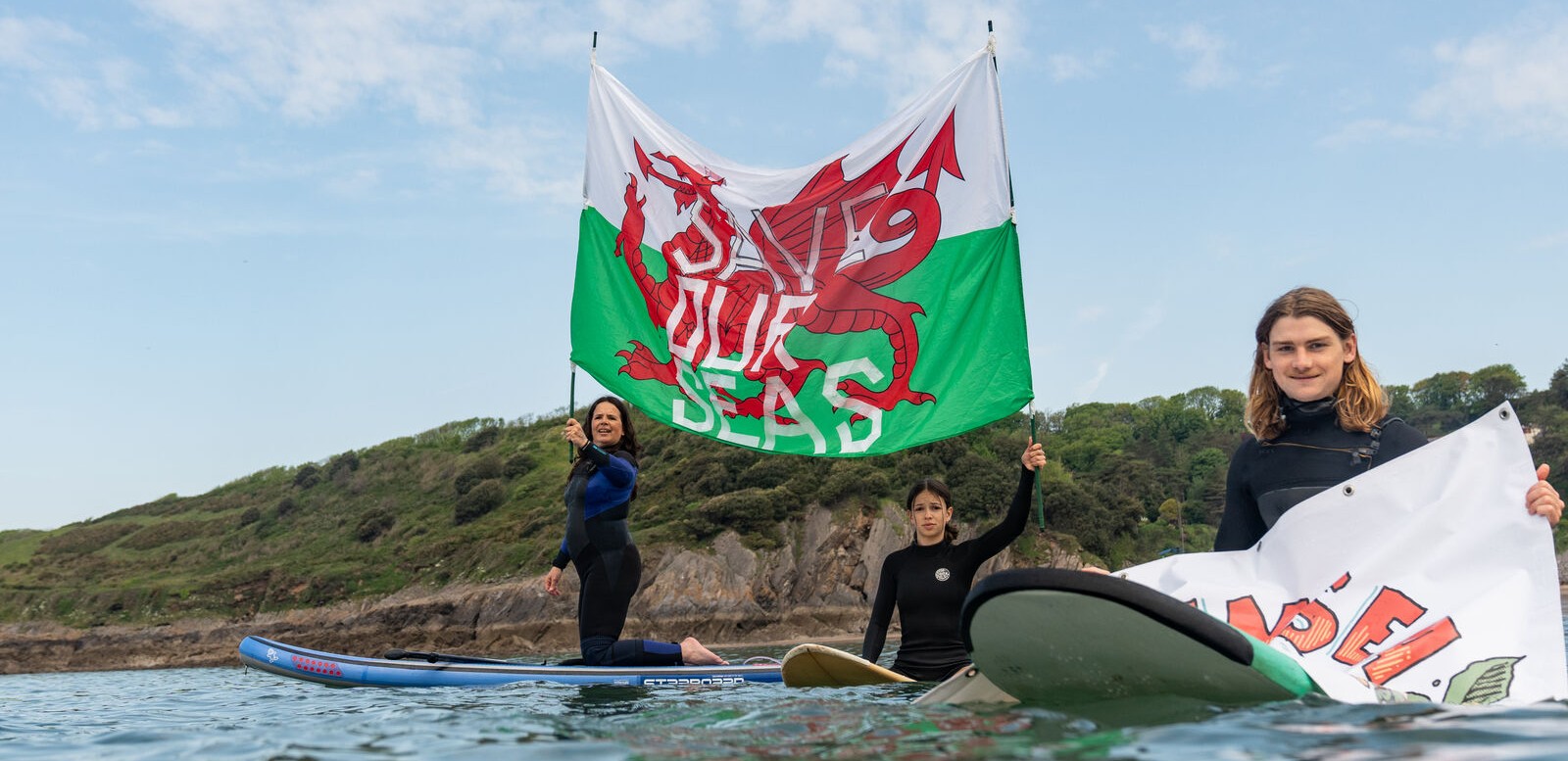
Influence your MS in Wales. Packed with tips and resources, this action guide is designed to equip you with the skills and confidence to lobby decision-makers in the Senedd, hold water companies accountable, and expose the truth about sewage pollution in Wales.
We have a once in a generation opportunity to change this, yet the Government is pushing through legislation without considering the alternatives, trapping us in the privatised current system where pollution pays and the public gets sick.
These are our demands:
Already signed? Please share the petition far and wide to help us get to half a million signatures.
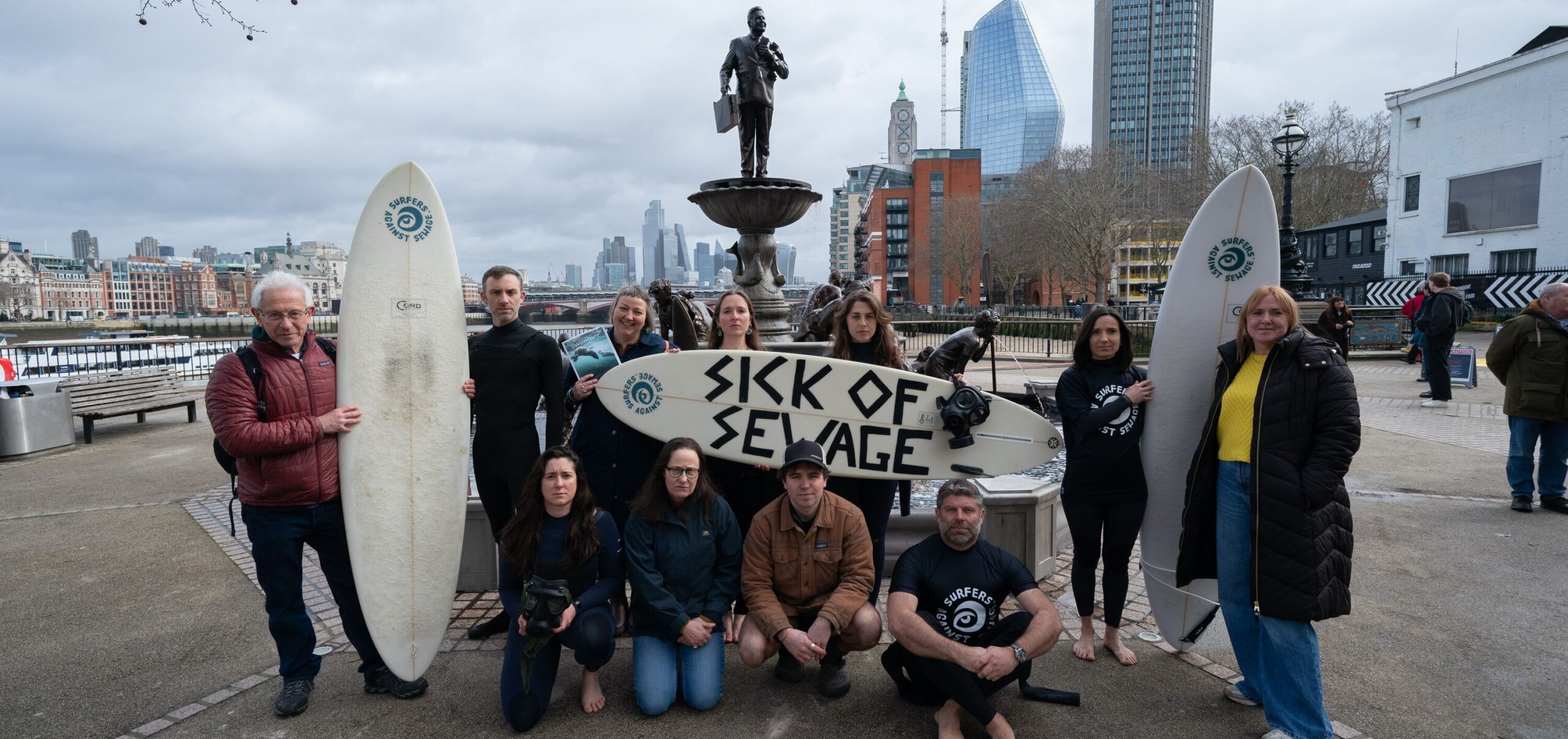
While they get rich. We get sick.
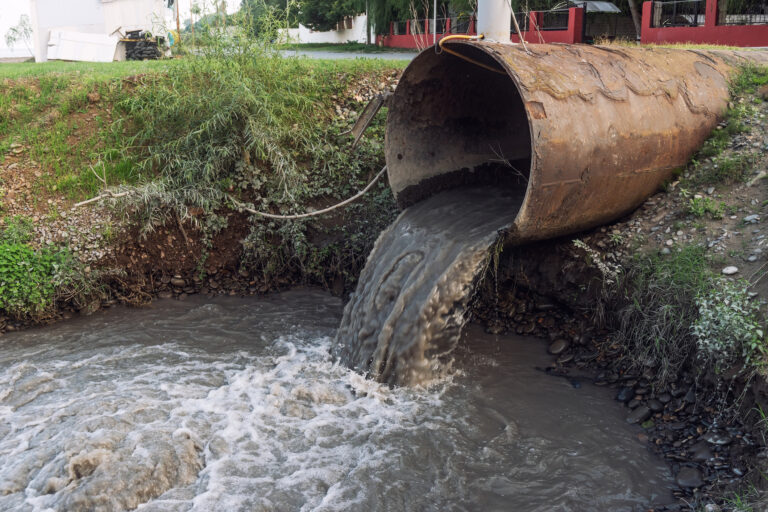
Sewage is being dumped into our seas, lakes and rivers on an industrial scale. While people get sick and nature suffers, polluters profit and the regulators turn a blind eye. The system isn’t just broken, it’s rigged.
Decades of neglect and underinvestment have left the UK with some of the most polluted rivers, lakes and seas in Europe and without a serious shift in the way our money is spent, we continue to put our health, and our lives at risk when we swim, surf or paddle.
To make matters worse, its customers are expected to pay more to fix the broken system.
We were promised change. But the Government’s plans have nothing to address the root of the problem – that privatised companies, cannot and will not put public health or the environment before shareholder profit.
Now is the time to rise up against corporate greed and demand our Government put an end to surging bills and sewage spills.
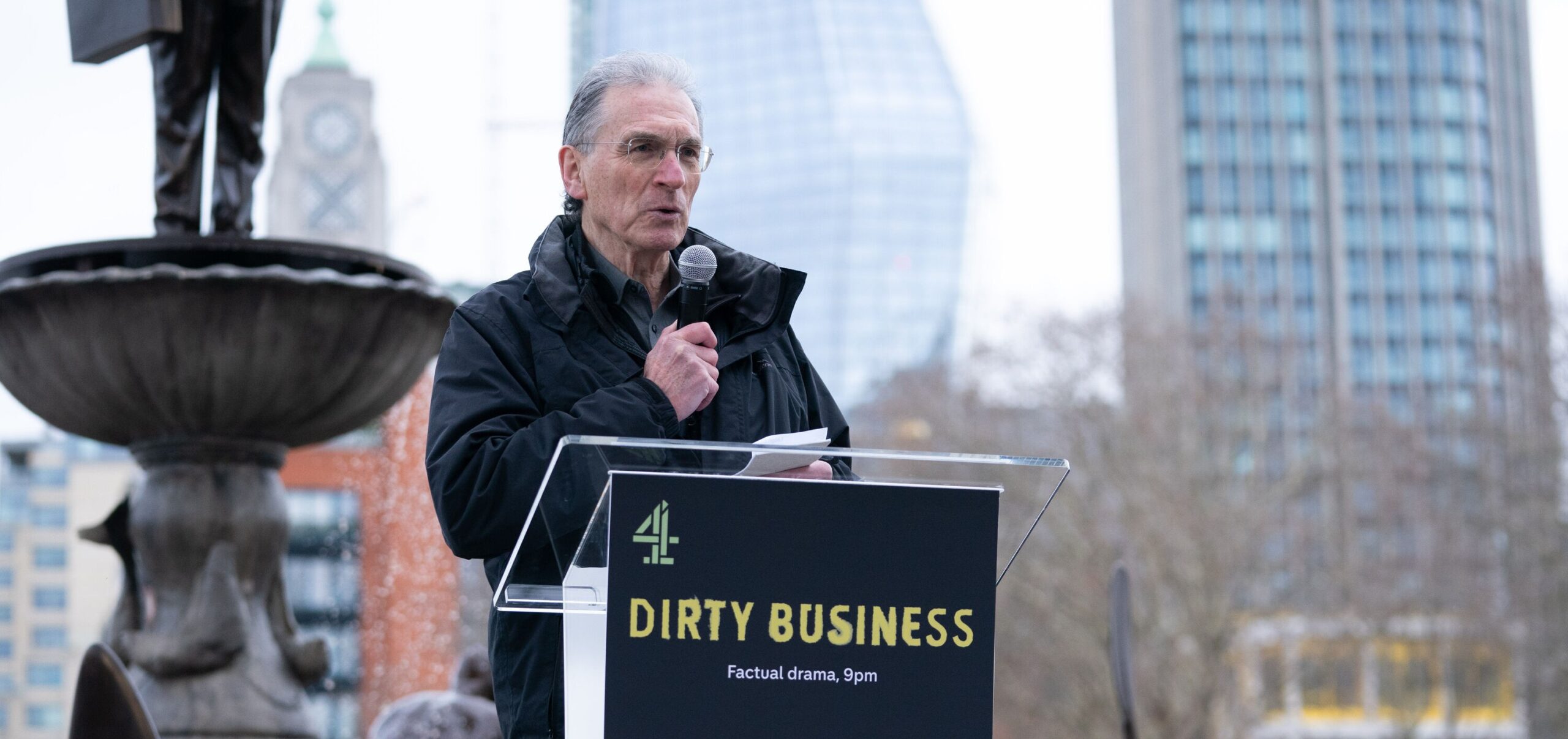
Dirty Business is a Channel 4 docu-drama that has blown the lid off the murky practices of our privatised water system and how it’s fuelling the sewage crisis. This factual three-part series digs into who’s responsible and how communities are paying the price.
It follows the devastating story of Heather Preen, an eight-year-old girl who contracted E coli on a Devon beach, and passed away two weeks later. Her mother Julie, along with Surfers Against Sewage and other organisations, have been calling out sewage pollution for decades, pushing for accountability, stronger regulation and real change.
That’s why this feels like a watershed moment in the fight to end sewage pollution – and a powerful reminder of why our work has never been more urgent.
Expect raw human stories, big uncomfortable truths, and the spark for (even bigger) action. Trust us, you don’t want to miss this.
Dirty Business aired on Monday 23 February at 9pm on Channel 4. You can watch it on 4OD.
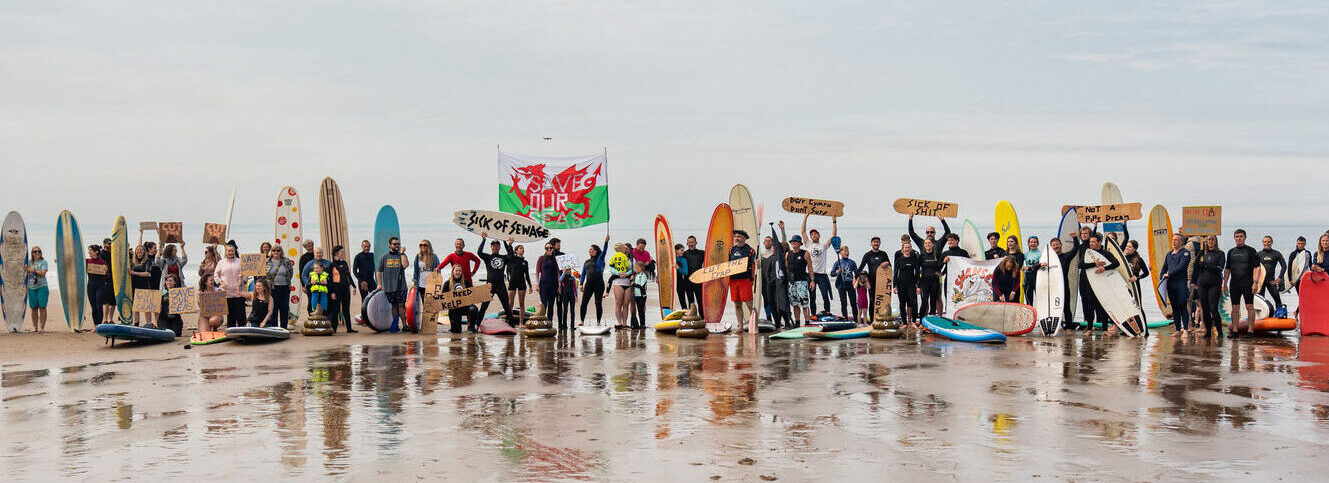
We know that not all UK water companies are privatised. Scottish Water and Northern Ireland Water are still publicly owned and Welsh Water (Dŵr Cymru Welsh Water) is a non-profit.
This petition focuses on changing the system that manages England and a section of Wales. But by pushing for the Government to go further and invest more in England, it will raise the bar and allow devolved governments to do the same.
We all share the same ocean and many of our waterways are connected. So taking action is relevant to you, wherever you live in the UK.

On the government’s direction, the Cunliffe Review failed to properly assess alternative ownership and governance models, focusing instead on preserving a system that is already broken. By restricting reforms to work within the bounds of the current privatised model, the government effectively hamstrung the process and ruled out the changes actually needed to deliver clean water, affordable bills, and public trust.
We therefore believe it was fundamentally flawed and another example of the system being rigged.
It was set up assuming from the outset that the problem was regulation. It did not look at all the options. No feasibility study was carried out and the government does not know the cost of public vs private ownership.
If the Cunliffe Review had considered other models of ownership, it may have had a different outcome.
The Water White Paper is being spun as the biggest overhaul in a generation, but it simply entrenches a system that rewards water company executives and shareholders while the public pays the price. It failed to address:
English water companies are currently operating as privatised monopolies. Their primary motive is to make profit and therefore, they will never operate primarily for environmental and public good. Water companies cannot be regulated to deliver for the public if their key function is to extract profit.
The privatised water system has failed. Therefore, other ownership models MUST be considered. We need to restructure the system to one which puts environmental and public health first before profit. Public ownership of water companies would do just this, so that water companies can operate directly for the benefit of people and the environment.
Polluted waters represent a major threat to both public and environmental health.
Over 1,400 water users reported they became ill 2025 after entering the water. These were reports submitted on our SSRS app and/or health reports submitted on our website. With the amount of illness reported being only from people who told us they were unwell, the actual figure is probably much higher.
Harmful bacteria are present in untreated wastewater dumped into the sea and in our rivers. It’s no shock that swimming in contaminated waters is known to increase the risk of gastroenteritis as well as sinus infections, skin rashes, and conjunctivitis.
The Government’s inaction is forcing us to gamble with our health every time we get in the water.
Not all UK water companies are privatised. Scottish Water and Northern Ireland Water are still publicly owned and Welsh Water (Dŵr Cymru Welsh Water) is a non-profit. This petition focuses on changing the system that manages England and a section of Wales. But the investment from devolved nations in these issues are tied to UK Government investment. The more in England, the more we can expect across the UK.
The sewage scandal is a UK wide issue and by pushing for the Government to go further England, will hopefully raise the bar in other devolved nations.