As a public company, the Scottish government and Parliament ultimately have the power to decide what Scottish Water’s focus should be, and to hold the company to account. Scottish Water is a publicly owned water and wastewater provider in Scotland. The Scottish Environment Protection Agency (SEPA) and national performance frameworks regulate Scottish Water, rather than Ofwat.
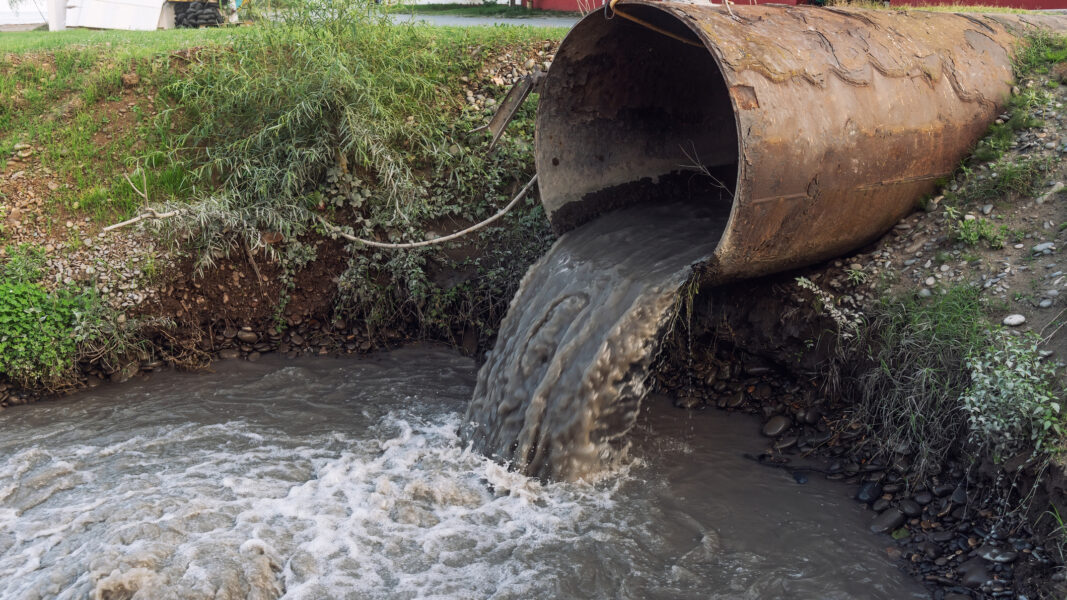
In December 2024, Scottish Water was served a measly civil penalty of £6,000 by SEPA for polluting the Crossford Burn near Dunfermline with untreated sewage, after breaching license conditions for discharges.
More broadly, independent environmental monitoring data and campaign reports have highlighted that hundreds of Scottish Water’s sewage spill outlets are considered ‘unsatisfactory’. Around 25%, or 900 of such overflows, are classified as needing prioritised improvement, and ongoing concern about limited monitoring coverage across Scotland’s sewage network.
In 2025, beach closures and ‘Do Not Swim’ warnings were issued at pooular locations such as Aberdeen due to raw sewage discharges following operational failures at wastewater treatment works, underscoring public health risks where storm overflows operate without full treatment.
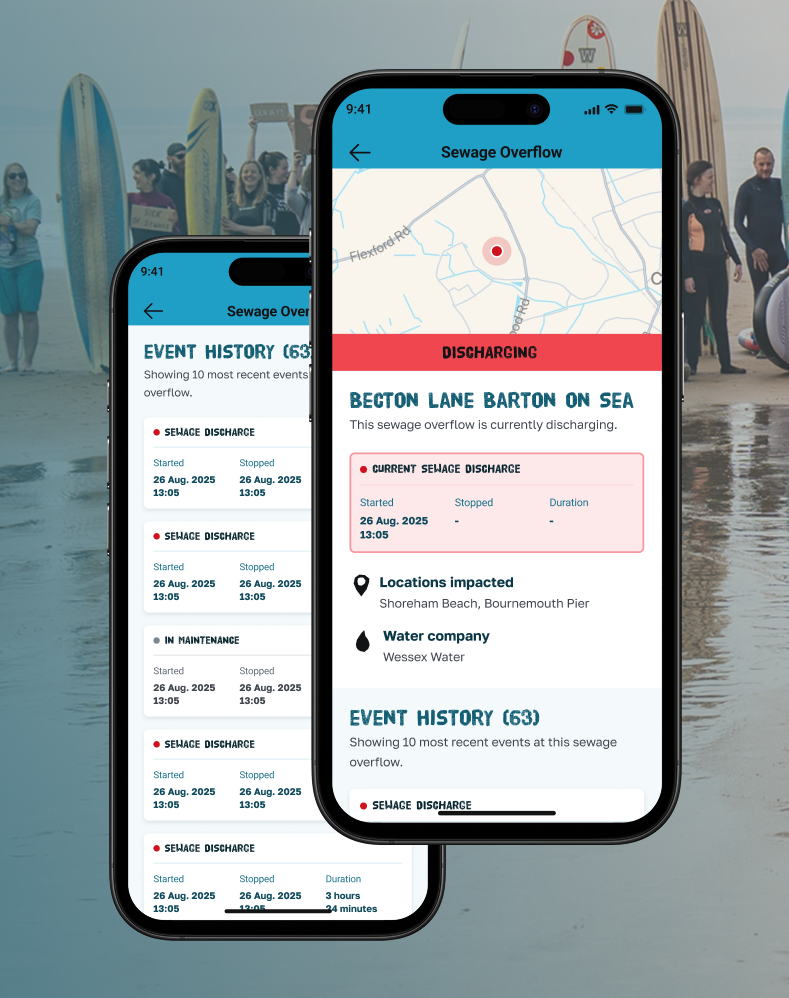
Scottish Water must embrace far more transparent, real-time reporting of sewage discharges, widespread monitoring of overflow performance, and accelerated investment in infrastructure improvements to protect Scotland’s incredible waterways for all users.
The impacts of untreated sewage overflows on blue spaces throughout Scotland therefore remain largely unknown, and Scottish water users rarely have any idea whether it’s safe to use their local water or whether they will unknowingly swim in sewage.