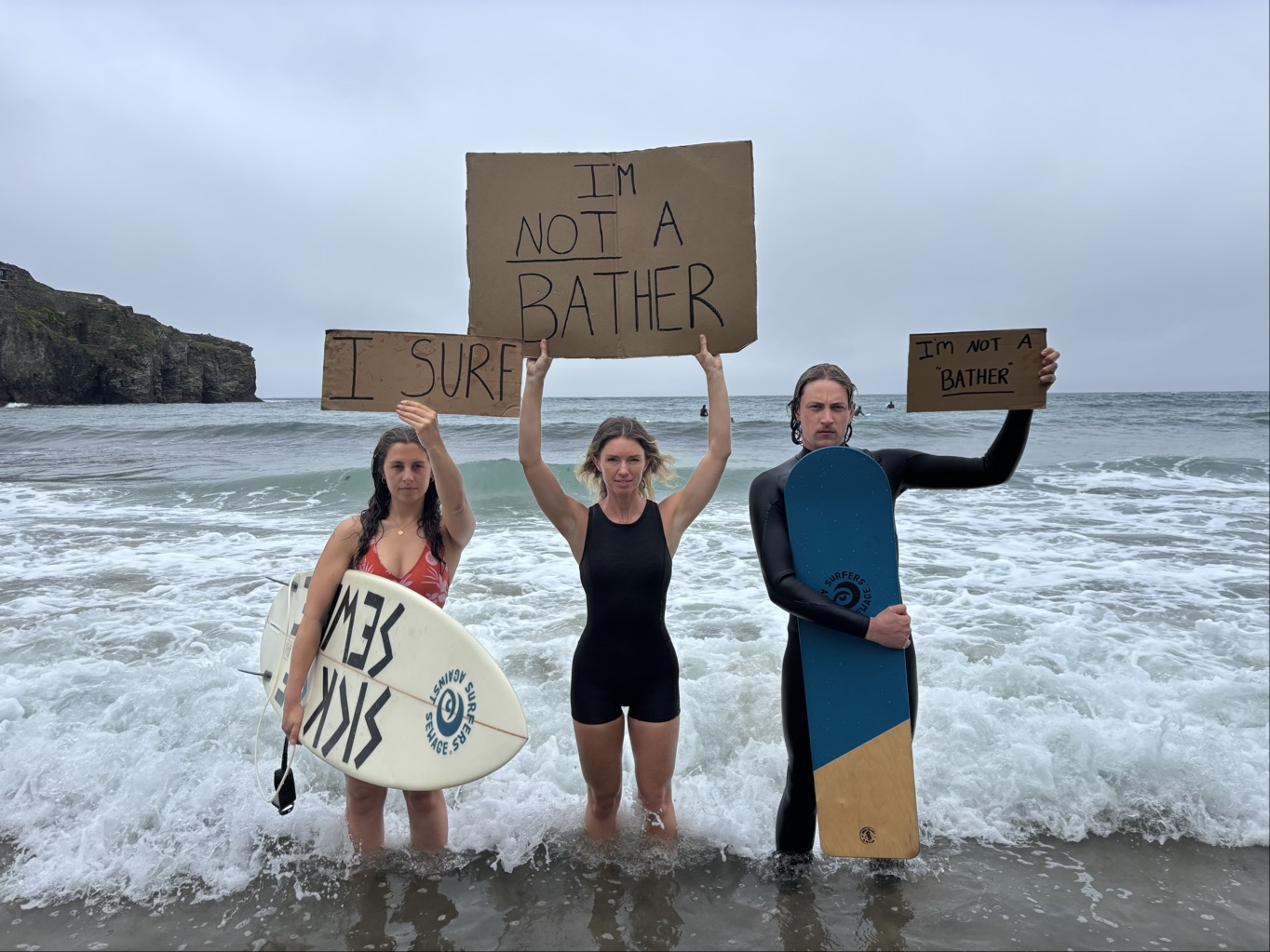
I'm Not A Bather
The Government is reforming the Bathing Water Regulations for the first time in over a decade. And we need your help.
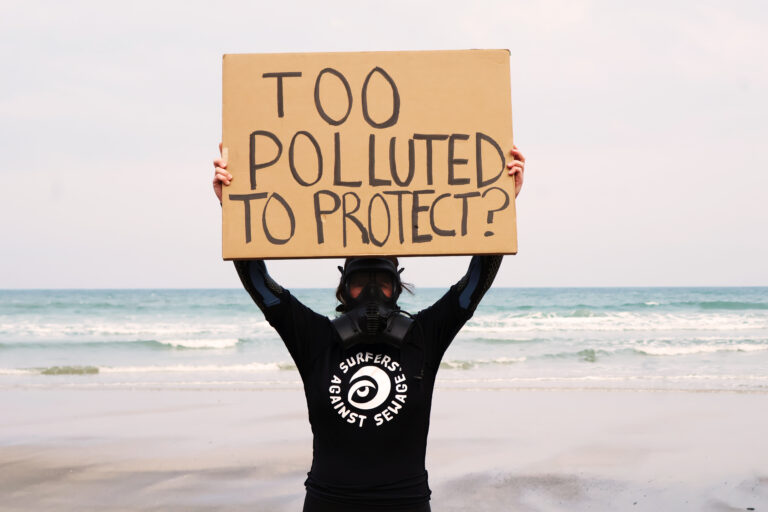
SAS and communities launch legal challenge as Defra and the Welsh Government deem waterways ‘too polluted to protect’
SAS and communities launch legal challenge as Defra and the Welsh Government deem waterways ‘too polluted to protect’
Simply put, water users are being let down by legislation.
Surfers, swimmers, rowers, paddleboarders, kayakers and river‑lovers across the UK are standing up to government plans that threaten to strip protection from our well-used rivers, lakes and beaches. SAS has filed urgent legal action against reckless reforms that would leave some bathing waters effectively written off as “too polluted to protect” leaving public health at risk.
The change in legislation, due to come into force in Spring 2026, will result in popular bathing sites left unmonitored and abandoned by regulations currently designed to ensure safe water quality and protect public health. These changes to the Bathing Water Regulations risk the government washing their hands of the waterways that need the most help and abandoning some of the nation’s most loved waterways and the people who depend on them.
From Spring 2026, the UK and Welsh Governments plan to introduce a new test that decides whether a site is “feasible” to improve before it can even be designated as a bathing water.
In simple terms:
💧 If your water is already polluted, the government might refuse to protect it.
💧 If it’s too “expensive” to fix, they might walk away.
💧 If it’s not designated, it won’t be monitored. And if it’s not monitored, polluters aren’t held to account.
This dangerous change tears up the original purpose of the Bathing Water Regulations: to protect public health and restore polluted places not abandon them.
But what’s at risk here?
Communities don’t stop swimming, surfing or paddling just because the government stops counting. People will continue to flock to rivers, lakes and coastlines — but without regular testing, they’ll have no idea what they’re diving into.
SAS analysis shows that if these reforms had existed earlier, 16 bathing waters may never have received designation, including loved spots like:
After months of raising concerns with government officials and being repeatedly ignored, SAS has been left with no option but to challenge the legality of these reforms in court. SAS with the backing of communities, represented by environmental law specialists Leigh Day, has now launched a judicial review against:
We’re arguing that these reforms:
Rivers are likely to be impacted most severely, as many start with ‘poor’ classifications and require time and investment to recover. Without designation, these improvements will not happen.
This is a line‑in‑the‑sand moment. And we are not backing down. We want the government in England and Wales to reverse this law.
Surfers Against Sewage (SAS) has campaigned since the 1990s for stronger protections for people who swim, surf, paddle, and play in our rivers, lakes and seas. But the legislation governing how bathing waters are designated is no longer fit for purpose and new government reforms threaten to push water users even further into danger.
While the governments in England and Wales have acknowledged some of the changes we’ve long called for, they’ve also introduced a new barrier that will prevent the very waterways most in need of improvement from ever being protected. These cherished rivers, lakes, and coastal spots risk being labelled “too polluted to protect.”
On 12 November 2024, Defra and the Welsh Government launched a consultation to reform the Bathing Water Regulations 2013. Three “core reforms” were proposed. While two aligned partially with SAS’s recommendations, each came with issues.
Core Reform 1: Ending the automatic removal of bathing status after five consecutive years of ‘poor’ classification.
Core Reform 2: Introducing a new “feasibility test” that determines whether improving a site to ‘sufficient’ is achievable or cost‑effective.
Core Reform 3: Removing fixed bathing season dates — potentially allowing the season to be shortened.
SAS and partner organisations including The Rivers Trust and the Marine Conservation Society immediately raised serious concerns about Core Reform 2.
Core Reform 2 would require any proposed bathing water to undergo a “feasibility assessment” to determine whether water quality improvements are “achievable and proportionate.” If the government decides whether a waterway is too polluted or too expensive to improve, it will simply refuse to designate it.
This means that many beloved river, lake, and coastal locations will be written off before they even get a chance. Yet people will continue to use these waters regardless, just without monitoring, accountability, or investment.
The result? The public will be exposed to higher health risks, with no legal protections in place which is the opposite of what government claims to be aiming for.
SAS has instructed environmental law firm Leigh Day and expert counsel to examine the legality of the government’s reforms. Two primary grounds for challenge have been set out:
Ground 1: Government Lacks the Legal Power to Implement These Changes
The reforms undermine the purpose of the Bathing Water Regulations and the EU Bathing Water Directive they are based on which still applies in UK law post‑Brexit. The Directive requires governments to identify bathing waters and then work to improve them, regardless of cost or existing pollution levels. Core Reform 2 reverses this logic entirely.
Ground 2: The Decision Is Illogical and Unreasoned
The government claims the feasibility test will “protect public health,” yet the outcome will be fewer designated sites, less monitoring, no investment, and greater health risks. The decision lacks evidence and contradicts its stated aims.
In their response, government officials dismissed the significance of the reforms, describing them as administrative adjustments which is a description that grossly misrepresents the real‑world consequences.
| Legal steps | Estimated Timescale |
| Several days post-issue: court provides sealed claim form, which we immediately serve on the other parties | Beginning of February |
| 21 days later: other parties file summary grounds of resistance | Beginning of February |
| 7 days later: we file a short reply to summary grounds of resistance | Beginning of March |
| Around 4-8 weeks later: court makes a decision on the papers whether the claim should have permission to proceed to a substantive hearing | April – May |
| If permission is refused on the papers, around two to four months later: we attend an oral permission hearing for the court to reconsider the question of permission | June – September |
| Around two to six months after permission is granted: substantive judicial review hearing | September 2026 – February 2027 |
| Two weeks to several months after that: final judgment | September 2026 – March 2027 |
| November 2025 | SAS issued a pre‑action protocol letter to the Secretary of State for Environment, Food and Rural Affairs and Welsh Ministers. |
| January 2026 | SAS filed a Judicial Review claim, supported by statements from SAS and eight affected communities. |
| 17 February 2026 | Court provided sealed claim form, which was immediately served on Defra and the Welsh Government. |
| 13 March 2026 | Grounds of resistance from Defra and the Welsh Government filed. |
| 19 March 2026 | SAS and Leigh Day filed a short reply to summary grounds of resistance. |
| 16 April – 14 May 2026 | Pending decision – Court due to make a decision based on the papers filed whether the claim should have permission to procced to a substantive hearing. |
A Judicial Review (JR) is a legal process that examines whether a public body has acted lawfully when making a decision. It does not assess whether the decision was “right,” but whether it was made fairly, rationally, and within the limits of the law.
8 communities from England and Wales provided witness statements. These communities were perfectly suited to provide evidence on why the change in law would affect the health of water users and the environment at future and existing bathing waters.
Communities from waterways hoping to gain bathing status in the future that might be impacted by new law:
Existing bathing waters that may not have received bathing status if new law was in place:
A win would have significant ramifications in that it would potentially stop the amendment to the Regulations from coming into effect. If we won on ground 1, it would also mean that the only way the government could bring in such substantial reforms would be through an Act of Parliament, and all the scrutiny that requires.
If the claim is unsuccessful, the Amendment Regulations will stand as good law, subject to any appeal.
It can take up to a year (March 2027) until we receive an outcome depending on how the case unfolds.
A legal claim is a demand for a remedy or compensation based on a legal right, while a legal action is the formal process of pursuing that claim through the court system.
The changes to the bathing water legislation that SAS are pursuing with a Judicial Review is legal action.
A great example of a current legal claim that is being brought by forward by communities also advised by Leigh Day is South West Water sewage pollution claim
Even though the current law that protects bathing waters is not fit for purpose its the only way to get the water quality at the places we use recreationally monitored. Getting bathing water status for your local spot is still essential to shine a light on the issues to kick start change.
Apply for bathing status for your river, lake, or beach. We will support you with your application through our Protecting Wild Waters programme Homepage – Protecting Wild Waters
The Government is reforming the Bathing Water Regulations for the first time in over a decade. And we need your help.
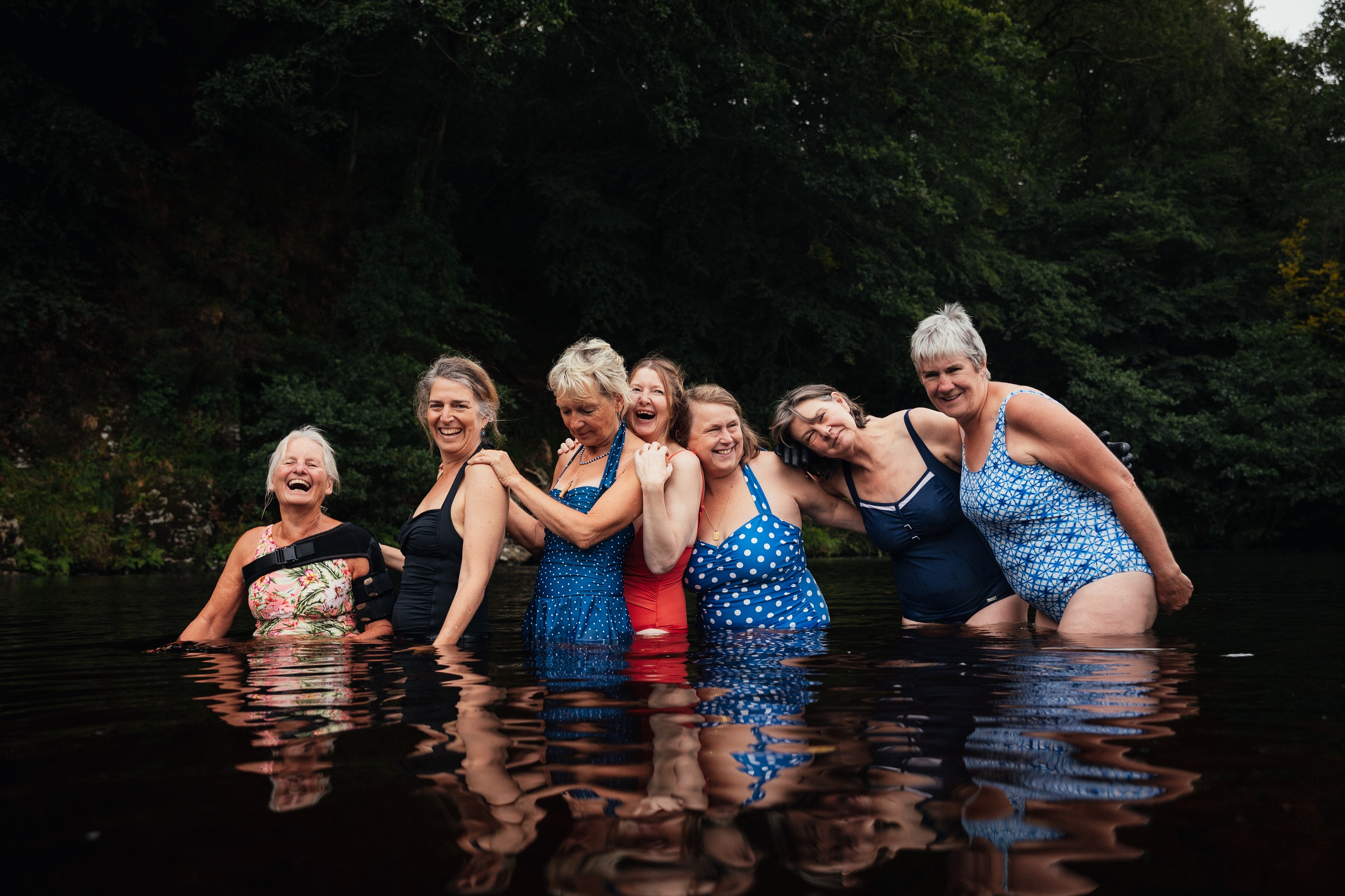
Speak up for your bathing site and demand designation for the UK’s lakes & rivers and anyone who enjoys them.