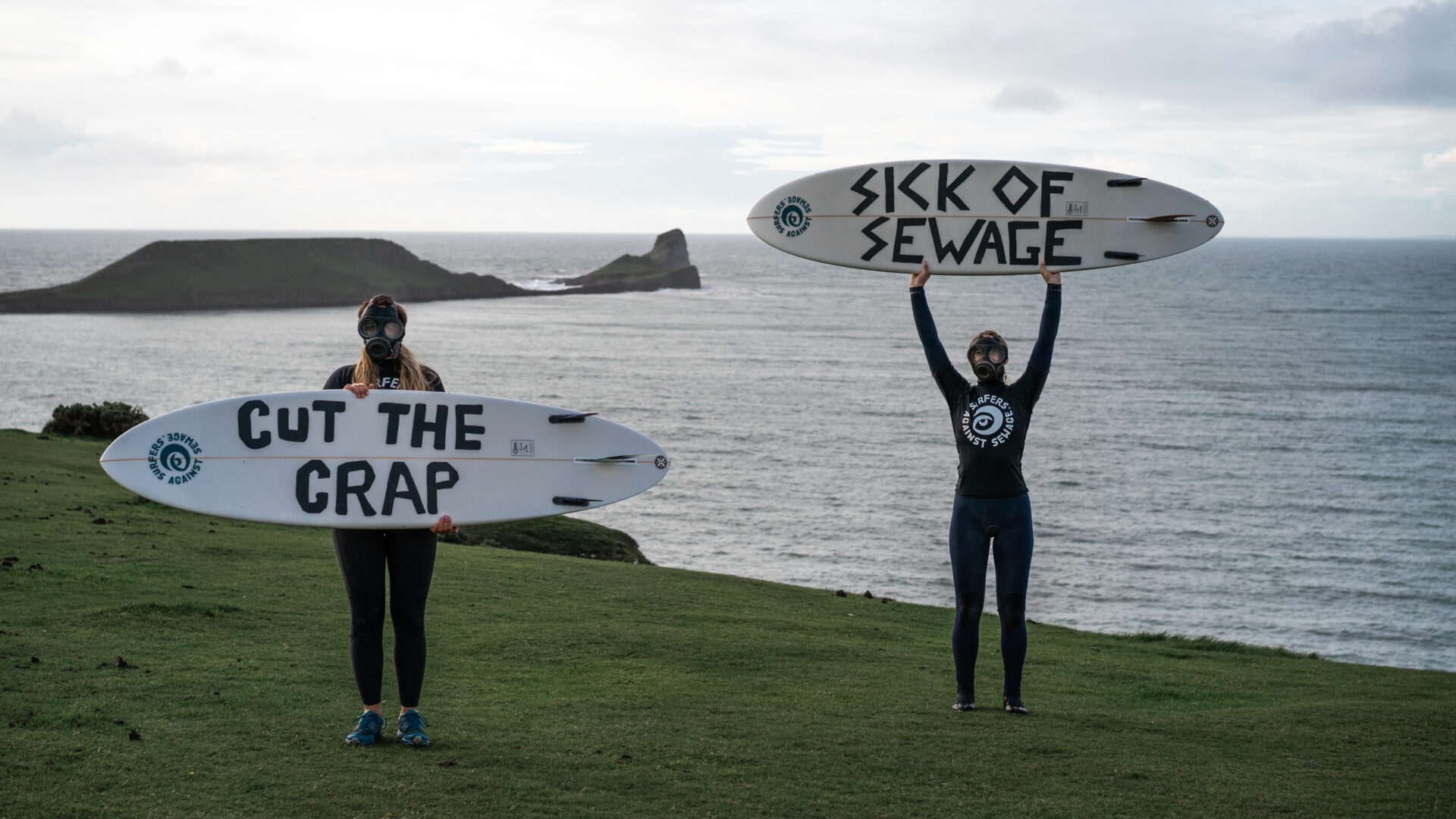
Welsh Elections: A new Senedd, a new chance for change
It’s election year in Wales, and this provides a massive opportunity for us to show that whoever forms the next government must have ending water pollution at the top of their priority list.
The 2026 Senedd election marks a historic turning point for Wales. With an expanded parliament and new constituencies, we have a once-in-a-generation chance to ensure the next Welsh Government puts our wild waters at the heart of the national agenda.
Wales is famous for its beautiful, rugged coastlines, and iconic rivers, but beneath the surface, a deluge of sewage and plastic is threatening the health of our communities. This pollution is putting the health of the ever-growing number of water users under threat, as well as risking harm to Wales’ coastal and tourism economies. The Welsh public want more than words, they want leaders who are serious about taking action to end pollution and protect their health.
Our Senedd Election Manifesto provides the blueprint for that change. It moves beyond the ‘not-for-profit’ labels to demand real accountability and an overhaul of how we protect Welsh waters. Wales can’t recycle their way out of the pollution crisis, nor can they flush their problems away. This blog explores why Wales’ current path isn’t working – and how we can fix it.

Sewage pollution: not-for-profit, but not without problems
Wales has a historic election for many reasons. It’s elected Senedd with more members, new constituencies and a move to proportional representation.1 And we hope it’s the chance for something else new – a focus on real action around water quality!
Wales is unique in the UK, in having a not-for-profit water company model. No shareholders. On paper, every penny should go back into the system and into protecting Welsh waters, indeed, that’s a line Welsh water companies often repeat. But that hasn’t saved Welsh customers from paying eye-watering bills, the second highest in the UK. It might not be paying shareholders, but 41% of Dŵr Cymru’s revenue – including those bills – goes toward paying off debt.
Key stats: Storm overflow spill data report – 2022
- 2114 overflows published, of which 2101 are monitored
- Total of 102,103 spills recorded, spanning over 17689 hours in 2024
- That’s 286 sewage spills for every day of 2024
And that’s just the known, monitored, legal spills. An investigation by Windrush Against Sewage found that Dŵr Cymru had been spilling illegally for years, including for more than 200 days per year in one location between 2019 and 2023.2 The year after this, Ofwat had to step in to stop Dŵr Cymru from using customer funds to pay for £163,000 of executive bonuses.3
Not-for-profit isn’t necessarily the problem. But a water company that’s content to deliberately mislead customers and the regulator? That’s a big problem.4 And, if you’re a water company that’s looking to mislead a regulator, Natural Resources Wales (NRW) – facing years of underfunding and understaffing – is an easier target. NRW report a decline in performance of Welsh water companies. Dŵr Cymru has gone from a four-star rating in 2020, to consistently being two-stars since 2022. 2024 saw the highest number of pollution incidents in a decade from Dŵr Cymru.5 And as water companies are performing worse, their regulator is cutting jobs, struggling to fill open vacancies and facing a growing funding gap.6
So here’s where Wales finds itself: a water company that’s been caught illegally dumping sewage for years, misleading regulators, using customer bills to pay executive bonuses – all while claiming “public benefit”. And a regulator so starved of resources that stands no chance at protecting Welsh waters. Not-for-profit? Maybe. But the result is the same as anywhere else: polluted waters, sky-high bills, and a system that’s failing the people it’s supposed to serve.
Sewage pollution – what we’re calling for:
We are calling for the Welsh Government to end sewage pollution for good. To achieve this, they must:
- Set legally binding targets to end untreated sewage discharges affecting bathing waters and popular recreational waters by 2030.
- Introduce a world leading water quality testing regime that monitors emerging pollutants and protects water users wherever, whenever and however, they use the water.
- Transform Natural Resource Wales into a tough, independent regulator with the resourcing and enforcement powers it needs to protect public and environmental health.
- Centre economic regulation on public benefit ensuring customer money is used to deliver environmental and public health improvements
- Ensure Welsh Water companies are structured with the focus of protecting public and environmental health.
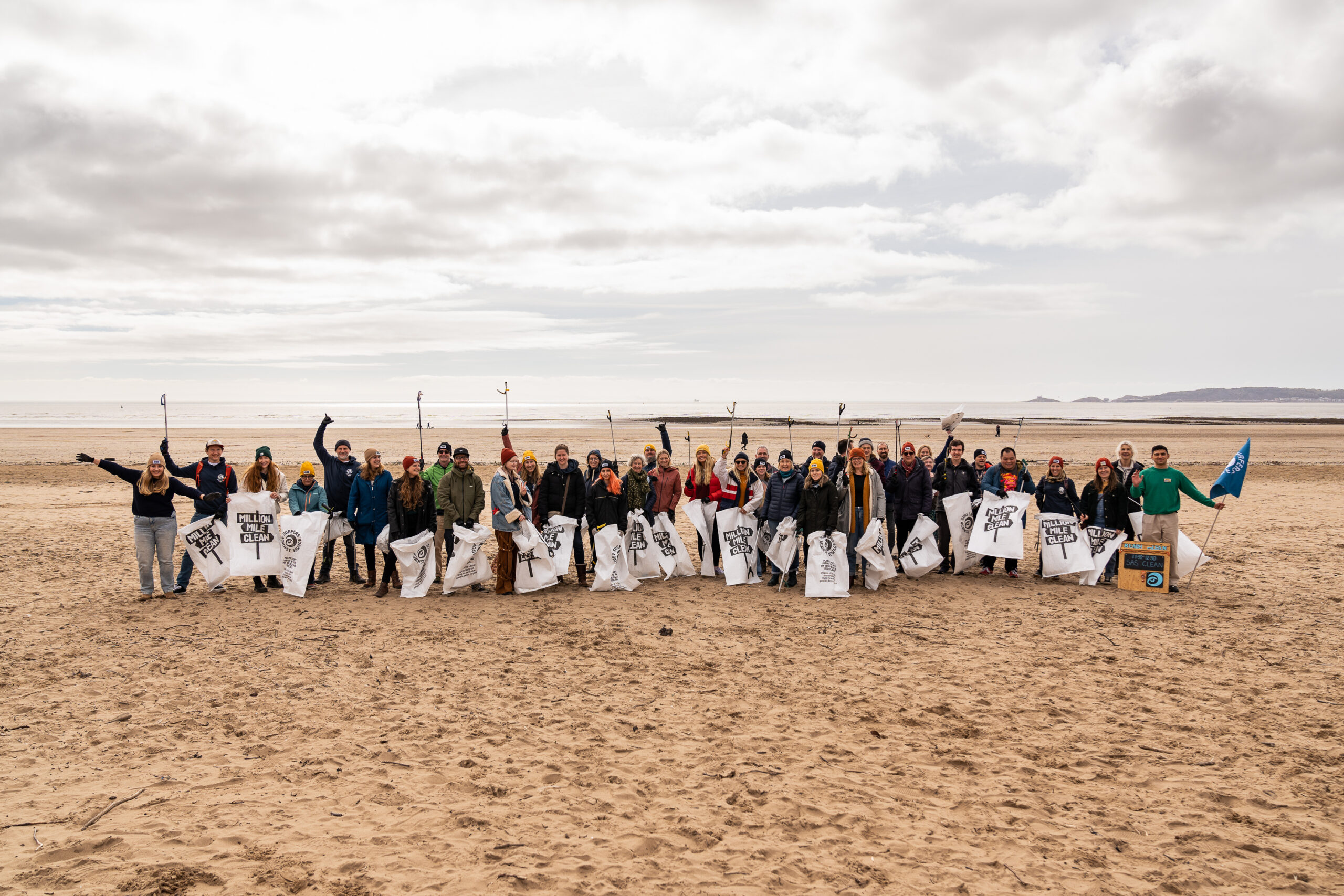
Plastic pollution: the toxic truth under the surface
Wales is rightly celebrated for its world-leading Well-being of Future Generations Act, but when it comes to plastic pollution, future generations of people and wildlife are being quietly sacrificed. As long as plastic production continues to rise, Wales’ coasts, rivers and communities will keep paying the price with their health.
Wales is often hailed as a recycling success story with one of the highest recycling rates in the world, pioneering the plastic bag charge, and committing to a circular economy. But these headline figures tell only part of the story. The uncomfortable reality is that Wales generates far more plastic waste than it could ever realistically recycle. Recycling has become a convenient distraction from the real problem: runaway plastic production.
Behind the green reputation lies a system propped up by huge waste sites, incinerators, and waste exports – a form of waste colonialism that shifts the environmental and health harms of our consumption onto other communities, both within Wales and overseas. Plastics labelled as “recycled” are often burned, dumped, or shipped abroad, where they pollute ecosystems and exploit weaker environmental protections. This is not a circular economy – it is a linear system in disguise.
We cannot recycle our way out of a crisis that is driven by overproduction. As plastic production accelerates, pollution will continue to choke Welsh waterways, wash up on our beaches, and expose communities to toxic chemicals — no matter how good our recycling rates look on paper.
If Wales is serious about protecting future generations, it must confront the truth: the solution lies not in better waste management, but in producing and using far less plastic in the first place. That means embedding truly circular policies that prioritise reuse, refill and reduction; not burning or exporting our waste.
Plastic pollution – what we’re calling for:
We are calling for the Welsh Government to cut plastic production and create a circular economy. To achieve this, they must:
- Set legally binding national targets to cut plastic production.
- Create a circular economy by setting legally binding reuse targets, implementing a world leading all–in Deposit Return Scheme, and an Extended Producer Responsibility scheme that holds producers fully accountable for all types of plastic pollution.
- Ban hazardous chemicals in plastics.
- Ban the export of waste and ensure a just transition for workers in the plastics industry
What next?
Whilst the white paper from the UK Government will lay out some changes which impact Wales, there are also actions the Welsh Government can take independently, and for that, we’ll be looking to the newly elected Senedd.
Over the coming months, we will be scrutinising every party manifesto to see if their ambition matches the scale of the crisis. But the real power lies with you. We need communities to hold every candidate to account.
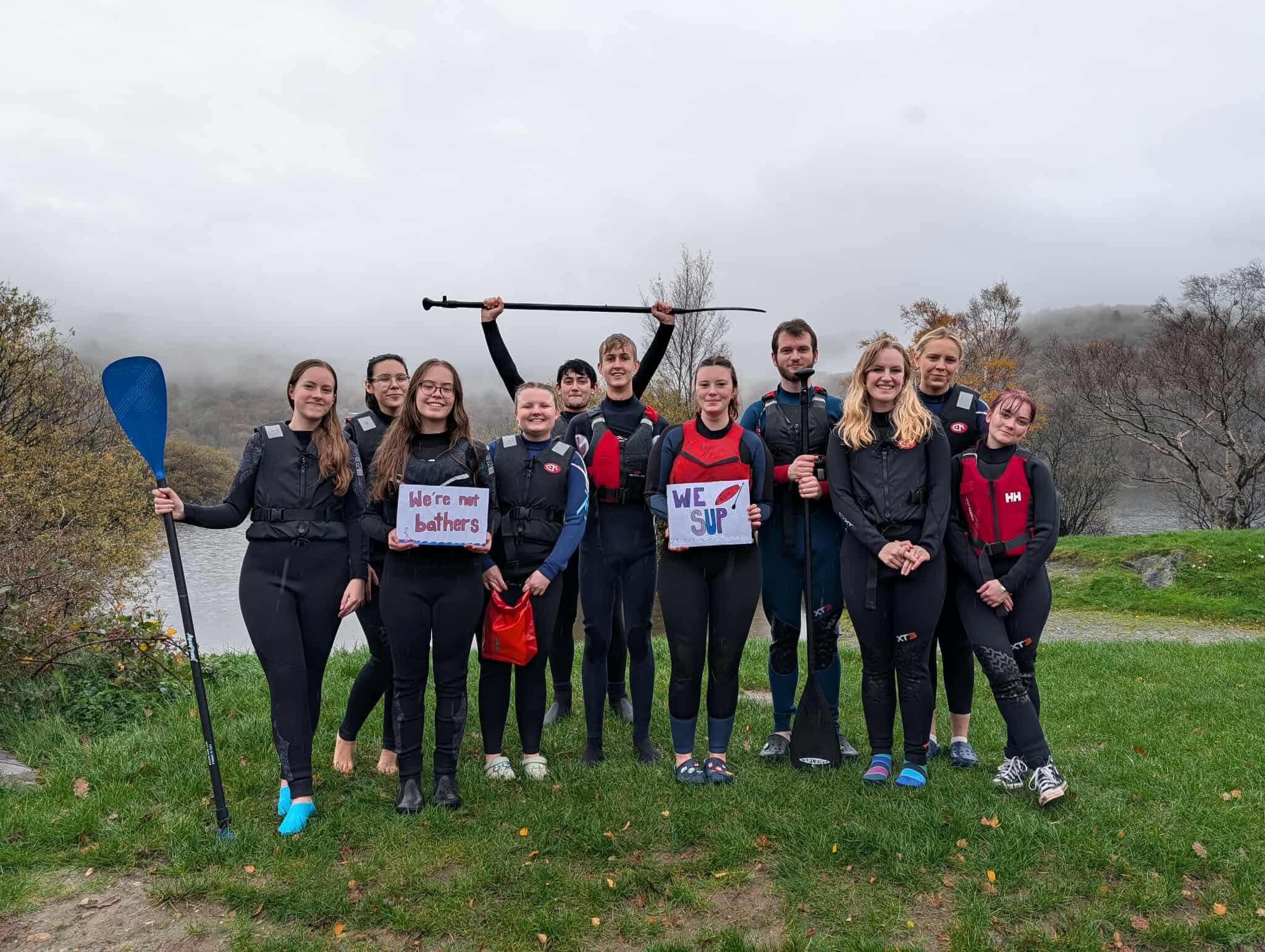
We’ll be working with our communities across Wales throughout 2026, from beach cleans to campaign actions. Keep an eye on our channels for ways to get involved.
Our waters shouldn’t be a mystery, and our health shouldn’t be a gamble.
Wales has often been a pioneer, from the plastic bag charge to the Wellbeing of Future Generations Act. But leadership isn’t just about passing laws, it’s about the real results we see in our rivers and on our beaches.
We’ve shown the world what Welsh environmental leadership looks like before. Now, it’s time to apply that same courage to sewage and plastics.
Find out more about our work ahead of the election, including our manifesto for the Senedd here.
Sources:
- Senedd Research, 2025. What’s new at the Senedd election? Available from: https://research.senedd.wales/research-articles/what-s-new-at-the-2026-senedd-election/
- Windrush Against Sewage Pollution, 2023. Mythbuster 3 – Water companies don’t pollute on purpose. Wrong! Available from: https://www.windrushwasp.org/single-post/mythbuster-3-water-companies-don-t-pollute-on-purpose-wrong
- Ofwat, 2024. 73% of bonus payments will not be paid for by customers, says Ofwat. Available from: https://www.ofwat.gov.uk/73-of-bonus-payments-will-not-be-paid-for-by-customers-says-ofwat/
- Ofwat, 2024. Welsh Water to pay £40 million following Ofwat investigation. Available from: https://www.ofwat.gov.uk/welsh-water-to-pay-40-million-following-ofwat-investigation/
- Natural Resources Wales, 2025. NRW strengthens regulation of water companies as annual performance reports published. Available from: https://naturalresourceswales.gov.uk/about-us/news-and-blogs/news/nrw-strengthens-regulation-of-water-companies-as-annual-performance-reports-published/?lang=en
- BBC News, 21st May 2025. Pollution spills may be overlooked amid cuts. Available from: https://www.bbc.co.uk/news/articles/crk2228582yo