The waters around the UK have warmed by around 1°C over the last 100 years.
In 2007, summer floods affected England, Wales and Northern Ireland, costing the economy more than £3 billion in England alone.
Global sea level rose about 8 inches in the last century.
Church, J. A. and N.J. White 2006
The top 700 meters of ocean showing warming of 0.167 degrees Celsius since 1969
Levitus, et al,2009
Antarctica lost about 152 cubic kilometres of ice between 2002 and 2005
NASA
Glaciers are retreating almost everywhere around the world — including in the Alps, Himalayas, Andes, Rockies, Alaska and Africa.
Since the beginning of the Industrial Revolution, the acidity of surface ocean waters has increased by about 30 percent.
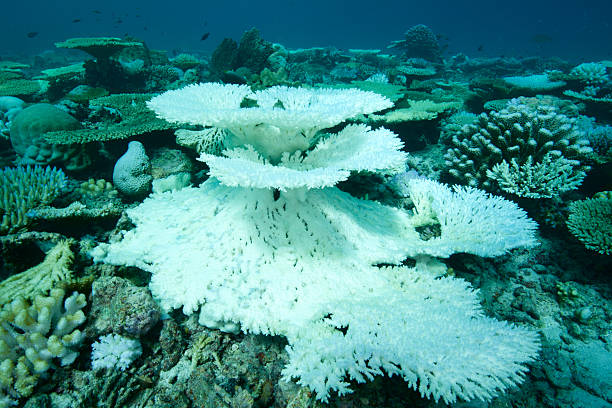
Scientists say warmer waters are ‘unprecedented since at least 1795’ and coral reefs around the world are at severe risk
Australian Institute of Marine Science, 2014
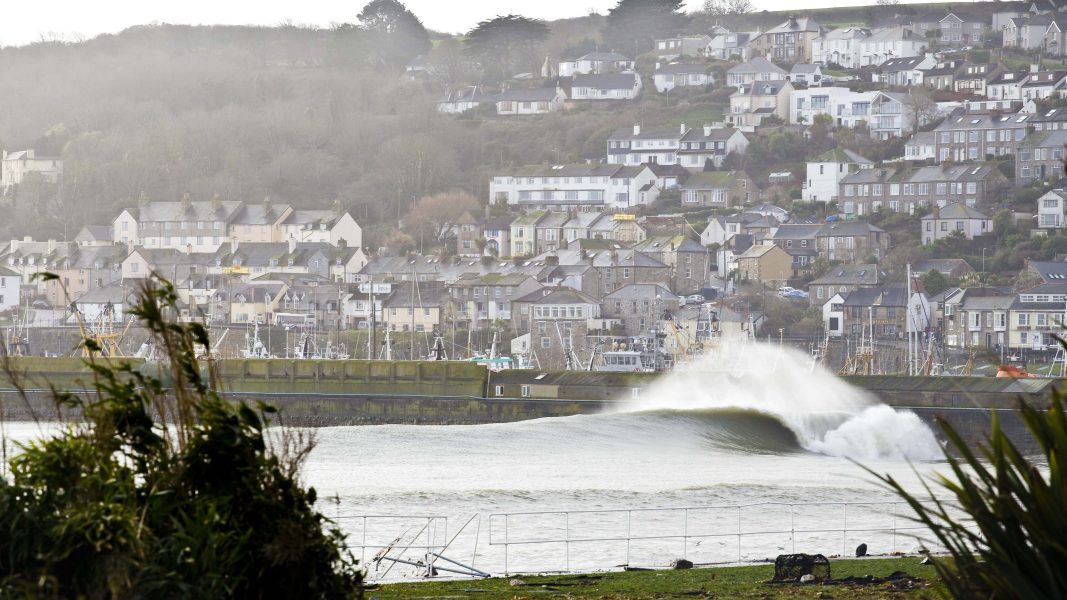
Coastal erosion caused by sea level rise caused by changing climate threatens our beaches and Sites of Special Surfing Interest
SAS
The amount of carbon dioxide absorbed by the upper layer of the oceans is increasing by about 2 billion tons per year.
L. Sabine et.al., “The Oceanic Sink for Anthropogenic CO2,” Science vol. 305 (16 July 2004), 367-371 Copenhagen Diagnosis, p. 36.
Satellite observations reveal that the amount of spring snow cover in the Northern Hemisphere has decreased over the past five decades and that the snow is melting earlier.
C. Derksen and R. Brown, “Spring snow cover extent reductions in the 2008-2012 period exceeding climate model projections,” GRL, 39:L19504
By the year 2040 summer sea ice in the Arctic is expected to be non-existent
Maslowski et al., 2012
Global sea levels may rise by more than 60 centimetres during the next 100 years losing many of our favourite surf spots
IPCC, 2013