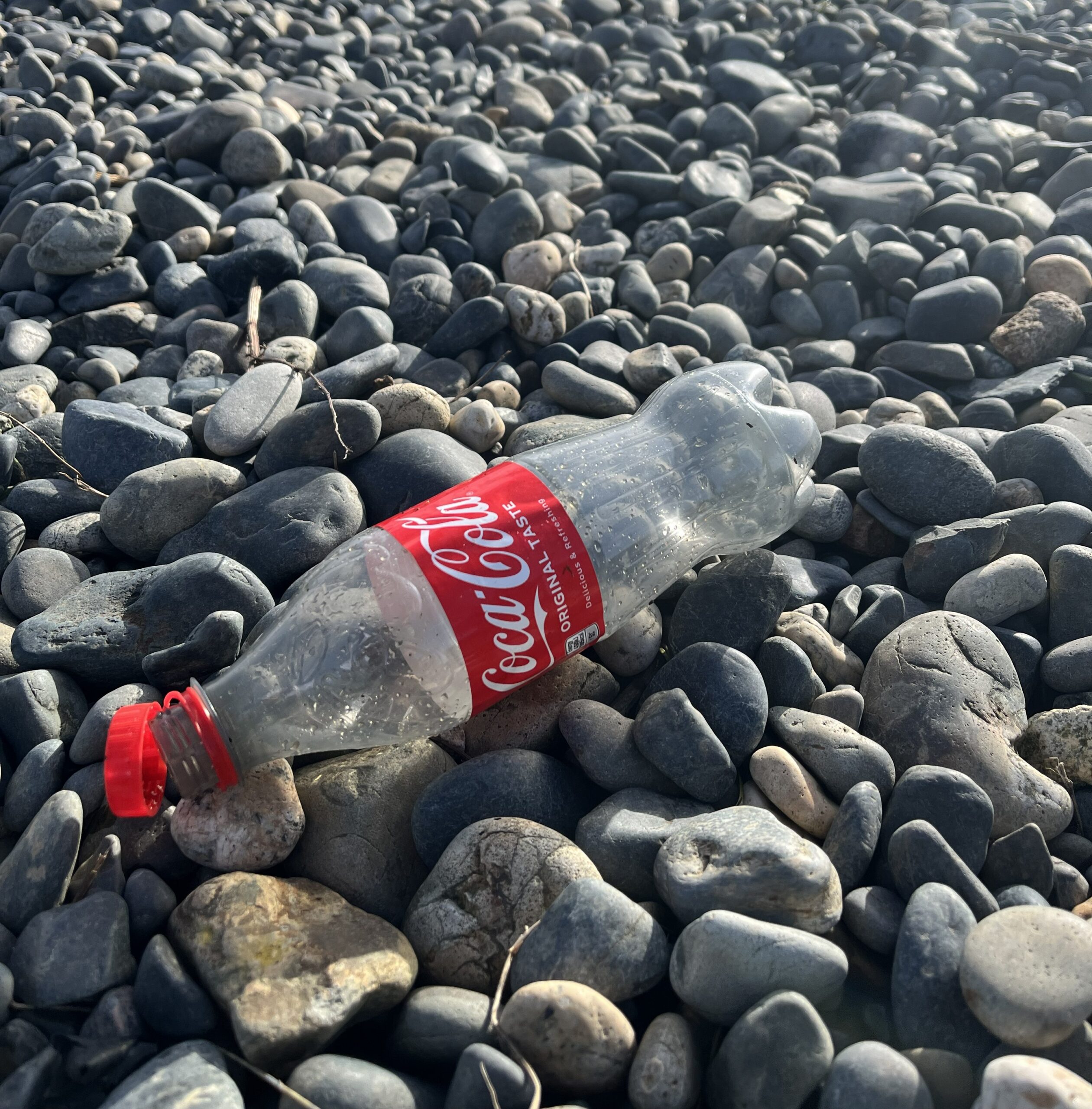
Meet the Dirty Dozen
Read our latest Brand Audit report to find out who the UK’s biggest polluters are - and what these corporates have said they’ll do… versus what they’ve actually done. The results are nothing short of enraging.
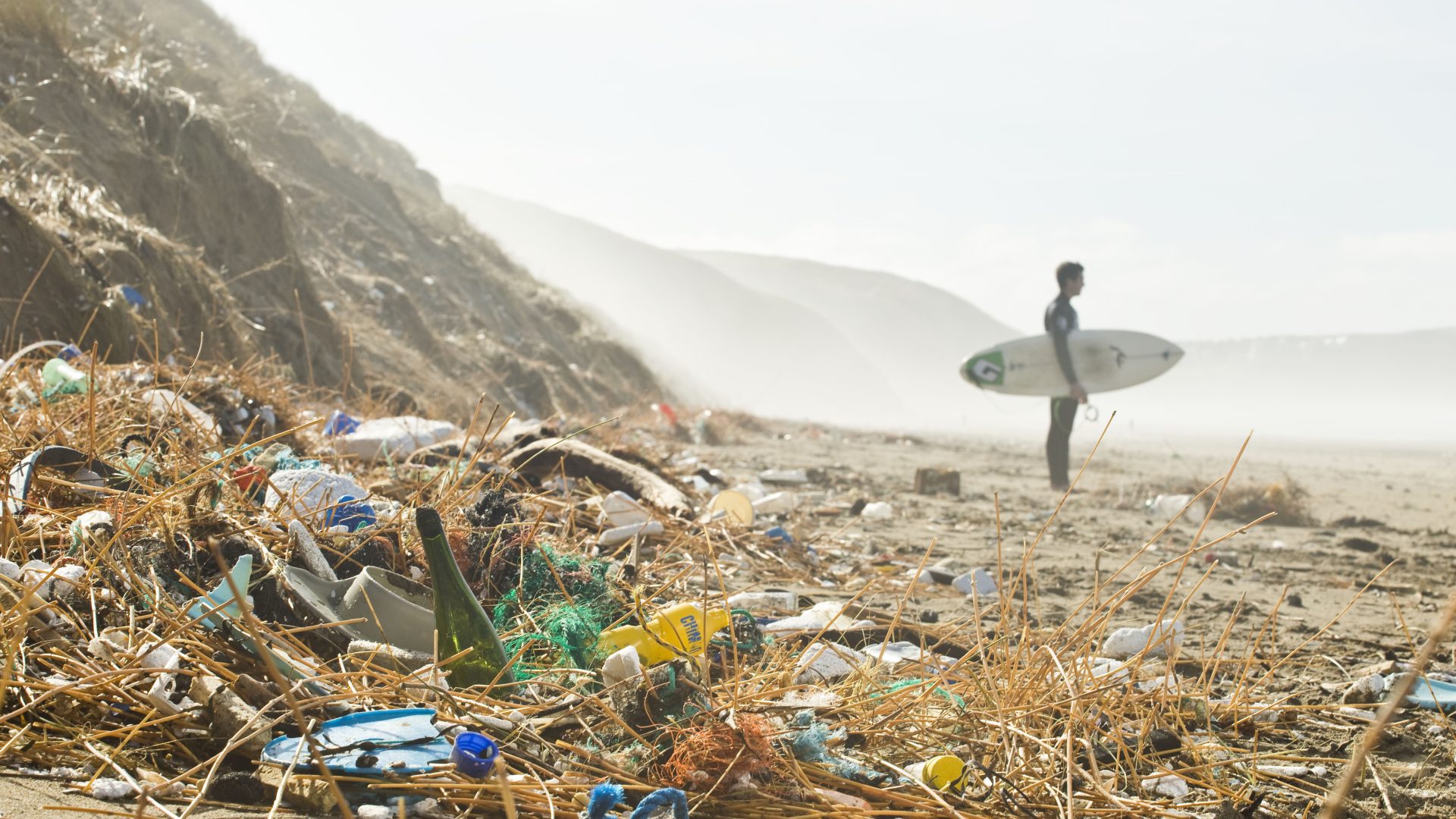
Take action against plastic pollution
We’re going up against the big polluters and systems keeping us locked in plastic. It’s time to end the consumer blame game and make the profiteering polluters accountable.
Get ready, because we’re about to turn up the heat and shake up the status quo. And trust us, you won’t want to miss it.
Join the People Vs. Plastic fight today. Together, we can turn the tide and put an end to plastic pollution.
Find out how to join the movement below.
Exposing the UK's biggest plastic polluters
Read our latest Brand Audit report to find out who the UK’s biggest polluters are - and what these corporates have said they’ll do… versus what they’ve actually done. The results are nothing short of enraging.
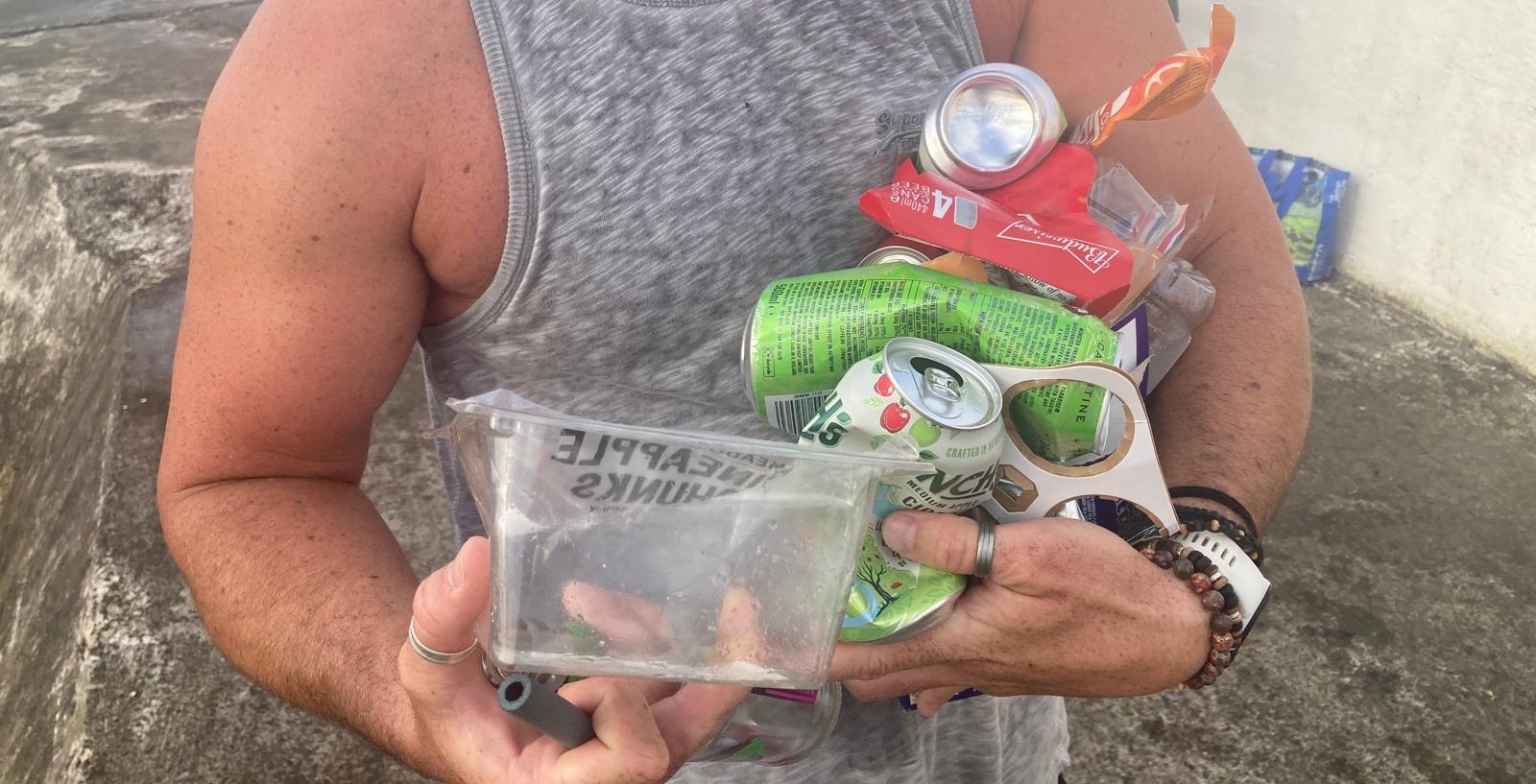
See it. Snap it. Share it! Join the #ReturnToOffender movement and call out the brands responsible. Let’s publicly hold the Dirty Dozen to account - and make it impossible for them to ignore.
Become a citizen scientist to collect vital data and expose the biggest polluters
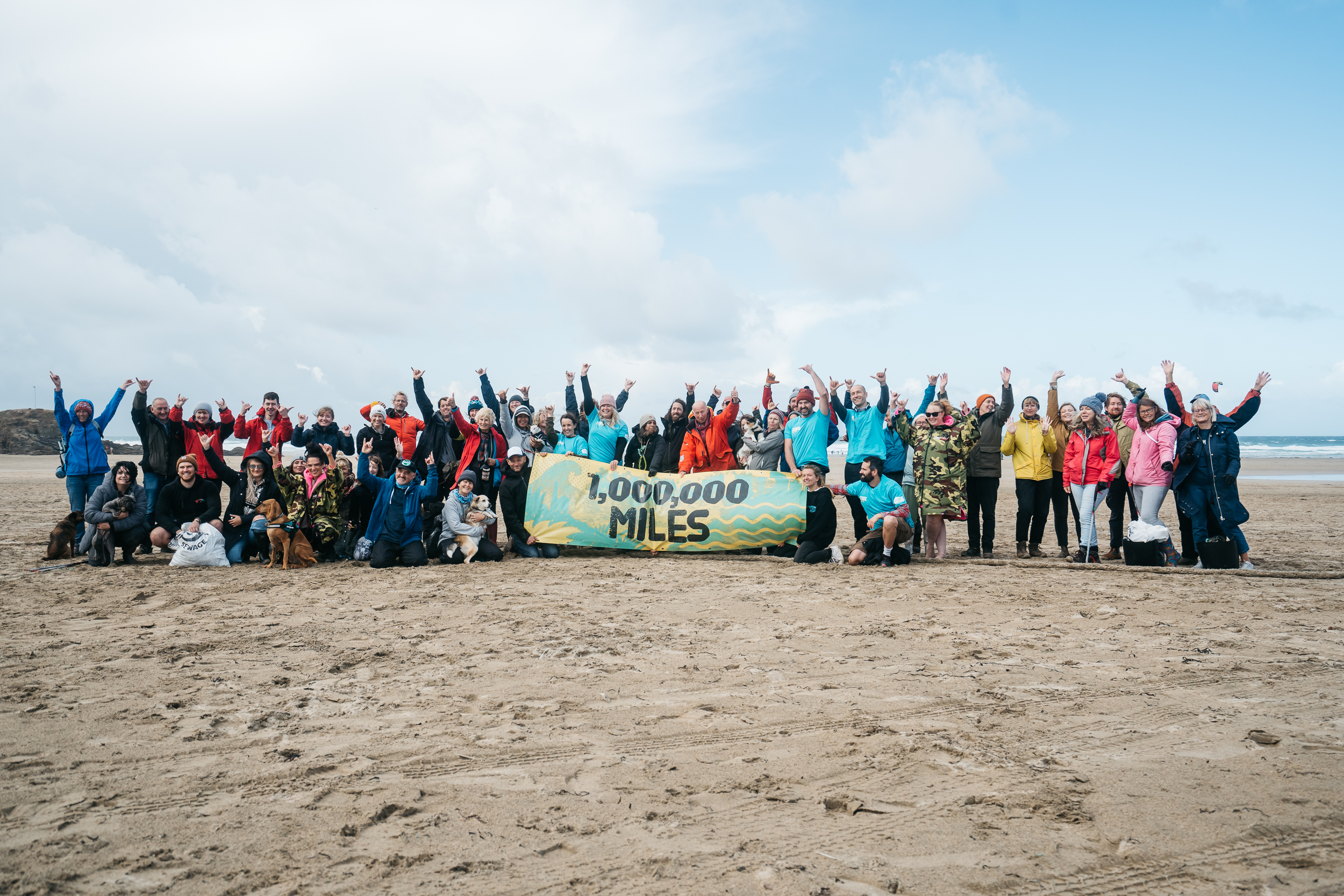
Make the UK a cleaner and greener place to live by cleaning up our outdoor spaces! Help build our evidence base by recording what you find. We want to find out exactly what the most polluting items are, and who the biggest polluters are, to help drive the change we urgently need.
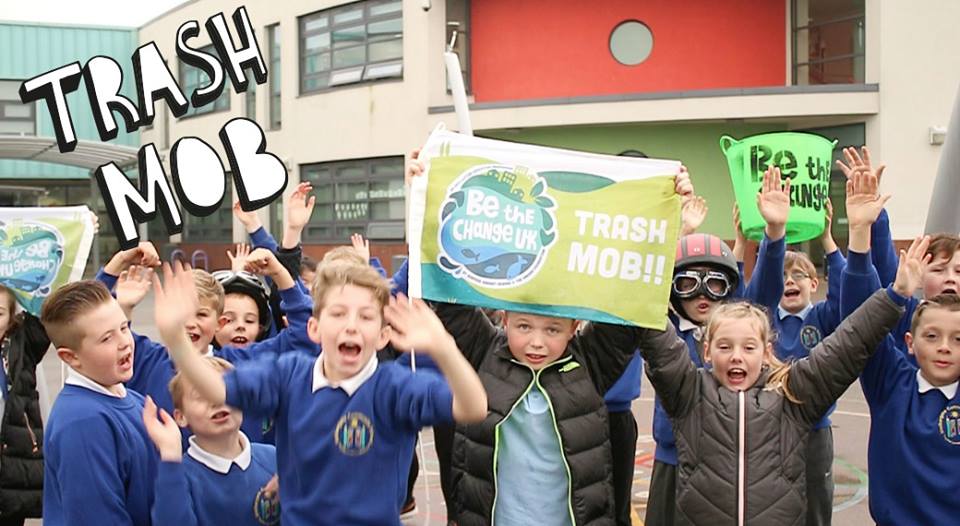
Want to get your school involved? Sign up to join our nationwide Trash Mob. Bring students together to clean up outdoor spaces and collect crucial citizen science data.
Our communities and schools campaigns are at the forefront of the drive to eradicate pointless single-use plastic.

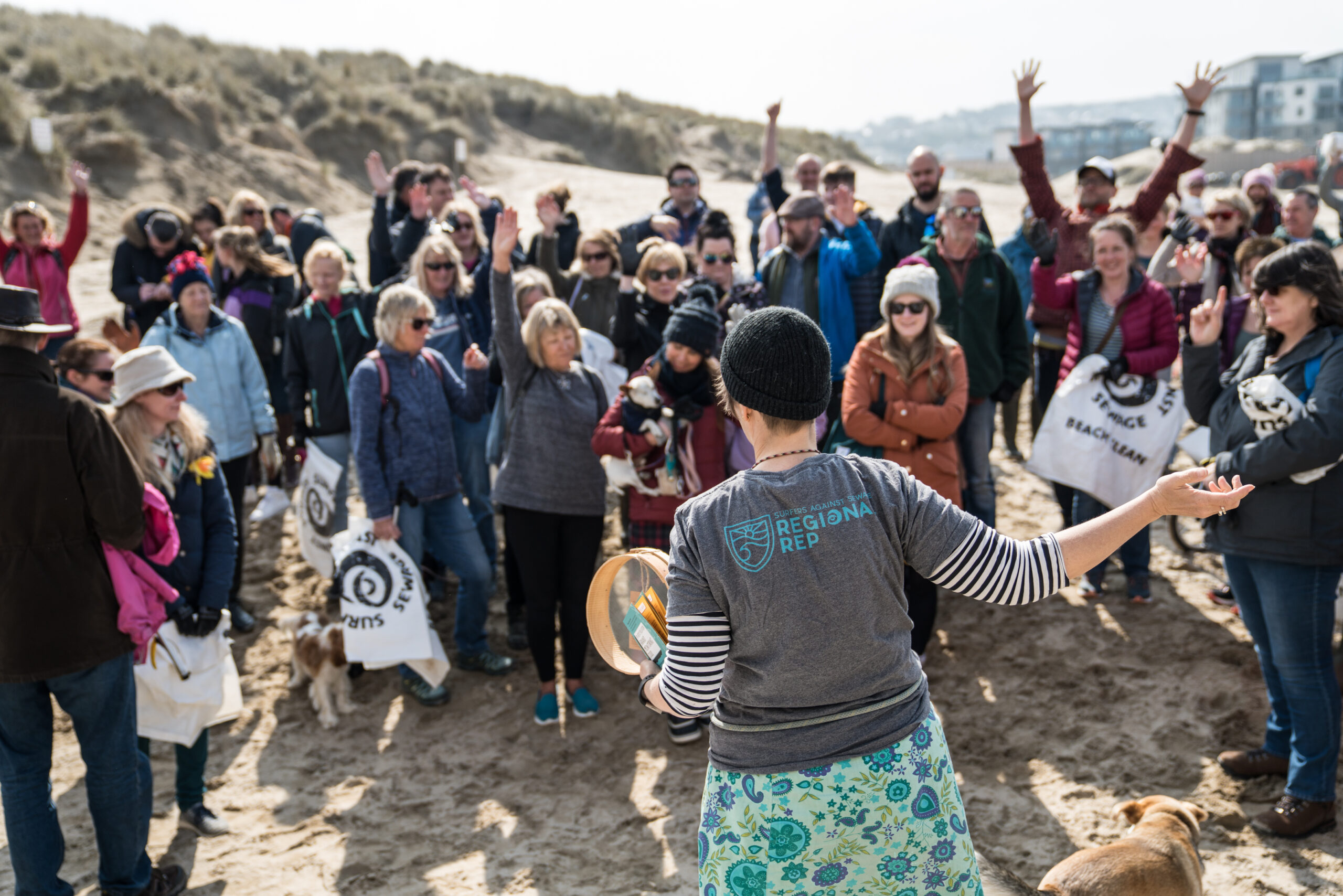
Sign up to our newsletter to be the first to hear about our campaigns, news and events. Get action alerts straight to your inbox so you can join the fight against plastic pollution.

We can't deliver these change-making campaigns and take on the polluters without funds provided by our members and donors. We rely on people like you, who are willing to take a stand, to fuel our fight. Join today, for as little as the cost of a cup of coffee.
We’re calling out the UK’s top polluters, exposing their lack of commitment to tackle the issue and the bad industry practice from brands and retailers across the board. No more greenwashing lies, no more abandoning targets, no more profiting from pollution. It’s time to hold polluters to account to set us on a path of real progress to end plastic pollution.
Our Brand Audits reveal that the Dirty Dozen are fueling the UK’s packaging pollution crisis. Year on year, the same culprits come out top, with Coca Cola consistently in first (top polluting) place. Despite a decade of promises to clean up their act, ‘clear that brands and businesses are still not doing enough to reduce plastic packaging and switch to reuse models. So, we’re turning up the heat to ensure they do.
It’s high time the UK Government steps up to deliver the legislative change we desperately need – both on the global stage and at home. We’re going to pile the pressure on and ensure governments introduce promised legislation, without further delay, and commit to new ambitious action to drive us towards a fully circular economy.
We demand that all governments across the UK:
Read our End Plastic Pollution report to discover more on how the UK can End Plastic Pollution.
Surfers Against Sewage is a leading voice in the battle to eliminate plastic pollution, mobilising and empowering a nationwide network of Ocean Activists to take action and make a difference. We connect people power on the ground with businesses and changemakers to set policies and pass laws that focus on reducing, reusing and refilling, to shift our broken consumerist throwaway economy into a model that is sustainable, responsible and clean.
We are working with around 700 communities up and down the county to rid their local communities of plastic by becoming a Plastic Free Community. Over 4,000 schools are now signed up to become a Plastic Free School with the next generation leading the way. Each year over 100,000 passionate ocean activists get up and out to clean our beaches, streets, rivers, parks and mountains through the Million Mile Clean. Together we’ve removed over 1,000,000kg of plastic pollution from the environment. And we are pressuring government to adopt new policies that will stem the tide of plastic washing into the ocean and rivers.
And we’re not done yet. Because Plastic Pollution is still a huge threat, with the UK producing 5 million tonnes of plastic waste a year, including 15 million single-use plastic bottles a day. We demand an end to Plastic Pollution, and we need your voice, energy and enthusiasm to get there.
Systemic change is urgently needed to end the pollution swamping the land and ocean. Businesses need to take responsibility for their polluting products and transition to models of reduction and reuse. Legislation, such as an ‘all-in’ deposit return scheme and bans of non-essential items, needs to be introduced urgently to transition the UK towards a circular economy. The government must commit to ambitious action to move us from a system keeping us locked in pointless plastic, to one which is circular and fair. And they must hold polluting companies to account.
We have been told that we’re reliant on plastic – even though the vast majority of single-use plastic we consume serves us no real use. We have been told that recycling is the answer, despite knowing full-well it’s not a viable solution alone. We must turn off the tap at the source of plastic production. It’s time to end this consumer blame game and make the profiteering polluters accountable for their waste.
Aside from the obvious of cleaning up our land, rivers and seas to help prevent the devastating impacts plastic has on our environment and all that live within it (including us), ending plastic pollution through systemic change will have an array of other benefits including:
Investment in skills-based circular economy jobs increases employment and household income, leading to economic growth. Money spent in the UK on Circular Economy services will continue to circulate within the UK.
Ending plastic pollution will require a shift to a circular economy. This means a massive increase in skills and employment around R&D, reuse, repair and remanufacturing, and manufacturing reusable products.
Many single use plastics are imported. Reducing these imports means less money leaving the UK, which can instead be focused on UK manufacturing of high-quality circular products.
Protecting people against increasing prices, inflation, and shortage of supply of imported goods. By moving to an economy that’s supported by more high quality and sustainable products and services produced in the UK, and maintained through reuse, repair and remanufacturing.
By focusing on green growth and UK manufacturing, we will decrease our reliance on individual markets and suppliers overseas, avoiding risks in supply bottlenecks and increasing resource security.
Through low carbon products and services based on circular economy principles.
Reducing plastic waste and reducing the practice of exporting plastic waste from the UK to countries where it is found dumped or burnt irresponsibly, stimulating UK markets for resources and waste industries.
Despite the UK having a long-standing commitment to reducing plastic waste, the reality is that only a small fraction of all plastic waste generated in the UK is recycled – an estimated 9.5%. This figure is far below the European Union (EU) average of 22.5%. And in fact, less than 10% of the plastic ever produced globally has ever been recycled, with the rest ending up in landfills, incinerated, or as we know, in our ocean.
So, what’s stopping us from recycling out of this mess?
Quite frankly, the global recycling system is overwhelmed. And the same goes for the UK – who rely on exporting plastic waste to other countries due to insufficient infrastructure to handle the problem. We produce and consume too much plastic, and recycling systems just can’t keep up with the colossal volume of plastic.
There are also serious limitations to recycling – particularly when it comes to plastic. Plastic can’t be recycled forever. Unlike materials such as aluminum or glass, plastics degrade each time they’re processed so can only be recycled a number of times before they’re doomed to landfill or incineration. And we’ve not even started talking about the contamination issues or the amount of energy needed.
Recycling isn’t a magic fix (despite what brands and business might tell you). It’s a small but important part of the solution. So, whilst we do need the UK government to improve recycling rates (e.g. through finally introducing an all-in Deposit Return Scheme), we also need more drastic and urgent action from government that focuses on solutions championing reuse and refill, and that reduces plastic production in the first place.
Whilst we do all carry our own individual responsibility, and hold power as consumers in where we choose to spend our money, plastic-free options are often more expensive than their pointless plastic counterparts. And that’s if an option is even available at all. Mass producers of plastic are forcing us into a corner where we have limited or no choice to be able to reduce our plastic consumption.
Plastic can be incredibly useful. Diabetics use it for syringes, arthritic patients rely on it for hip replacements, and construction workers wear it to protect their heads. Without it, we wouldn’t have computers, mobile phones or cars. The big problem? Single-use plastics and the eye-watering quantities we consume.
But some single-use plastic items can also be essential for people with disabilities! It can be a lifesaver and provide independence, dignity and comfort to many.
The best thing activists and allies can do is advocate for nondiscriminatory policies. So, before you go all guns blazing to eradicate pointless plastic, find out which single-use plastic items are still important and lifesaving for many first.
Some examples of common single-use plastics disabled people might need include (but are not limited to):
2006 – Return to Offender campaign
SAS launched Return to Offender, encouraging beach cleaners to send plastic packaging found on beaches back to the companies that produced it. The campaign aimed to highlight corporate responsibility for marine plastic pollution and pressure brands to reduce unnecessary packaging.
2009 – Mermaid Tears
We ran a campaign to encourage sign up to Operation Clean Sweep, an initiative to raise awareness of resin pellet loss in plastic production and encourage businesses to adopt and implement its principles to minimise pellet waste impacting the marine environment and harming wildlife. Since our Mermaid Tears campaign, a total of 298 UK plastic product producers have pledged their commitment.
2011-2015 – Plastic bag campaign win!
SAS launched the Break the Bag Habit campaign, calling for a charge on single-use plastic bags. This campaign helped build public and political support that contributed to the UK plastic bag charge being introduced in 2015, which led to an 80% decrease in the number of plastic bags used in England. 
2017 – Plastic Free Communities launched
SAS launched the Plastic Free Communities initiative, originally plastic free coastlines and closely followed by Plastic Free Schools later in the year. This movement encouraged towns, schools and businesses to eliminate avoidable single-use plastics, driving genuine change. The movement grew rapidly, expanding across the UK.
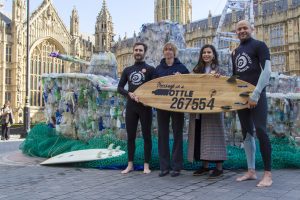
2018 – Message in a Bottle
Only half the plastic bottles we use in the UK are recycled, and each mile of the UK’s coastline is littered with over 150 plastic bottles. We led a cross-party delegation of MPs and charities to deliver a petition with over 300,000 signatures calling for a UK-wide deposit return scheme (DRS) that would encourage people to leave single-use plastic bottles and drinks containers in the recycling economy rather than in the environment. The campaign saw the Government announce a plan for the introduction of a scheme, a huge step forward. But there is still work to do…
2019 – First Brand Audit Report published
SAS released its first Brand Audit, analysing branded plastic waste collected during beach cleans to identify the companies most responsible for plastic pollution found on UK beaches. 
2021 – Launch of the Million Mile Clean
SAS launched the Million Mile Clean, a nationwide initiative encouraging communities to clean beaches, rivers, and streets while collecting data on plastic pollution to inform policy and campaigns.
Now – Ongoing policy advocacy
SAS has continued campaigning for stronger plastic reduction policies, including support for deposit return schemes for drinks containers and wider measures to reduce and ban single-use plastics across the UK.
Surfers Against SewageSystemic change is urgently needed to end the plastic pollution swamping the land and ocean. Businesses need to take responsibility for their polluting products and transition to models of reduction and reuse. Legislation such as an ‘all-in’ deposit scheme needs to be introduced urgently and governments must hold these companies to account.