
Scottish Elections: A chance to turn the tide on pollution
With the Scottish election on the horizon, we have a massive opportunity to demand better for our wild waters. This is a chance to ensure that whoever forms the next government prioritises putting an ending water pollution.
The environment is a devolved matter meaning the Scottish Government has the power to make significant changes and improvements to protect and restore the environment in Scotland.
Whilst Scotland boasts incredible coastlines, loch and rivers, these waterways are under threat from the deluge of pollution from plastics and sewage. This pollution is putting the health of the ever-growing number of water users under threat. The public are therefore calling out for parties and politicians who are serious about ending pollution and protecting their health.
At Surfers Against Sewage, we’ve published our manifesto for the Scottish election, clearly laying out the commitments we want to see all parties commit to, to end pollution of our waterways. This blog dives deeper into two of the critical issues the next Scottish Government must address head-on if it is serious about protecting our blue spaces.
What’s the problem in Scotland?
In Scotland, we’re facing a transparency crisis in our water sector: 66% of sewage overflows are completely unmonitored. Neither regulators nor the public can understand the true scale of the problem. Meanwhile, Scotland’s reputation as a plastic pollution leader is slipping – despite early commitments and bold rhetoric on circularity, production continues to rise while reuse systems remain marginal.
The common thread? A lack of transparency, weak accountability, and a failure to make polluters pay. So what needs to change?

Sewage pollution: It’s time to lift the lid
Scottish Water invests more in its systems and has lower bills than England and Wales.1 But that doesn’t mean it gets everything right.
Specifically, it’s not good with sewage. How not good? Well, that’s half the problem…
But let’s start with what we do know:
- There are 3600 combined sewage overflows in Scotland2
- In 2024, there were 23,000 reported sewage spills, or 62 spills per day
- That’s over 200,000 hours of sewage spilled. To put that in perspective, there are only 8,760 hours in a year. Scottish Water is spilling sewage at a rate that defies the clock.3
But here’s a key issue; all these stats come from just 34% of sewage overflows in Scotland which are monitored. A whopping 2,376 sewage overflows with no monitoring at all.
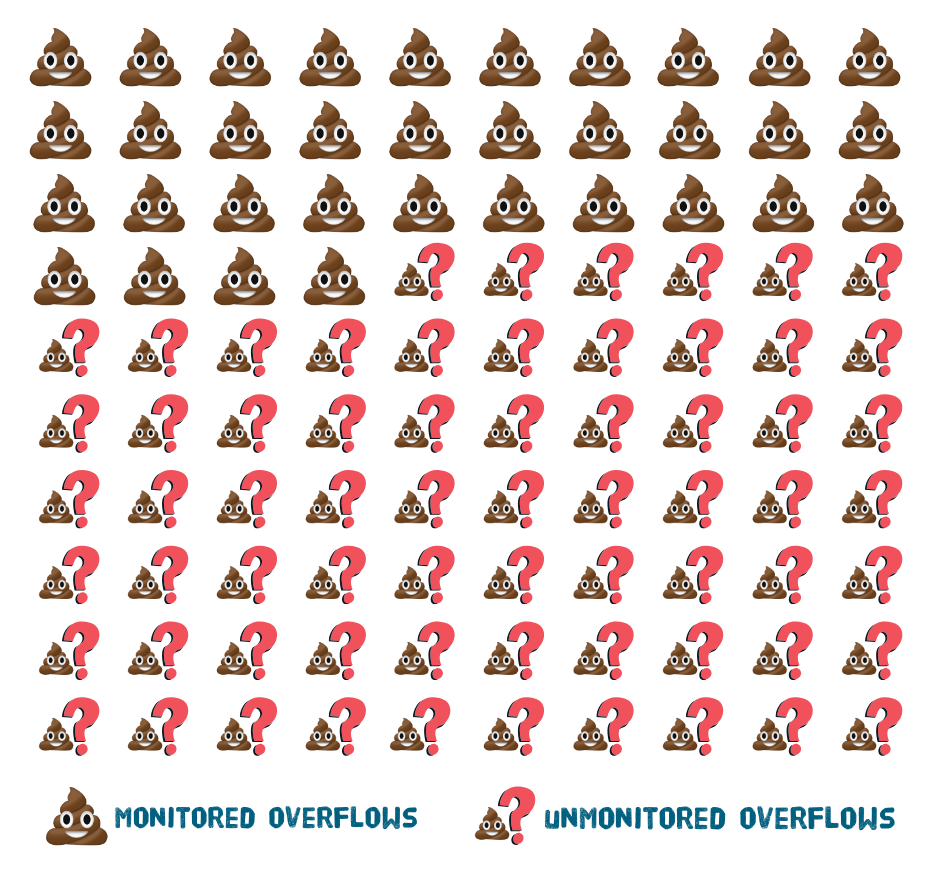
SEPA say that their role is to “make sure that the environment and human health is protected,” but how can they do that if they don’t even know the true picture?4
There has been progress. Last year, we lifted the lid on sewage secrecy in Scotland. For the very first time, live sewage alerts became available through our Safer Seas & Rivers Service (SSRS) app. This is the only service of its kind in Scotland – giving surfers, swimmers, paddleboarders and wild dippers real-time warnings when sewage spews into their favourite waters.5 The SSRS app also lets users contact their MSP directly when a sewage alert hits their local spot – turning pollution warnings into political power.
Keeping sewage on the agenda through the Scottish elections this year is something we’re focused on, and we’re not working alone. The Environmental Rights Centre for Scotland (ERSC) are also campaigning on this, and we’re supporting their petition to Clean Up Scotland’s Sewage.6
Through 2026, we’ll continue to campaign for the lid to be lifted on the real figures, because without knowing the full picture, we can’t end sewage pollution in Scotland.
But the total number of spills isn’t the only mystery. The other unknown is the contents of sewage, and issue that’s not unique to Scotland.
Like the rest of the UK, Scotland only monitors water for E. Coli and Enterococchi bacteria. Other important components of the toxic pollutant cocktail go unmonitored. There is growing knowledge about the potential harms of PFAS and other chemicals in sewage, but the truth is that until these things are monitored, we don’t know what else is in the water.
SEPA report that 87% of water bodies have “good ecological status”7 but if they’re testing for two bacteria, and ignoring the other host of toxic compounds in the water, how can they be sure?
Sewage pollution – what we’re calling for:
- Set legally binding targets to end untreated sewage discharges affecting bathing waters and popular recreational water usage areas by 2030.
- Introduce a world leading water quality testing regime that monitors emerging pollutants and protects water users wherever, whenever, and however they use the water.
- Mandate 100% monitoring of all sewage overflows in Scotland.
- Make this data available to the public in real-time.
- Enforce the law by ensuring sewage discharges outside exceptional circumstances are punished.
- Properly fund and resource SEPA so they can hold polluters to account.
Plastic pollution: No time to waste
Scotland’s current plans to tackle plastic pollution are quite frankly… rubbish.
Take their recently published Draft Circular Economy Strategy which doesn’t mention the word plastic (yes you heard right). Current plans don’t close the loop, they just make it, bigger. For example, The Strategy fails to commit to reducing the production and consumption of highly polluting materials. This is unacceptable considering plastic production is projected to double by 2040, aided by Scotland’s oil feedstock.
A genuinely circular approach must prioritise upstream action; identifying high-impact sectors – particularly those involving plastics and chemicals – and committing to phasing out the most damaging materials, alongside a transparent roadmap for banning hazardous products altogether.
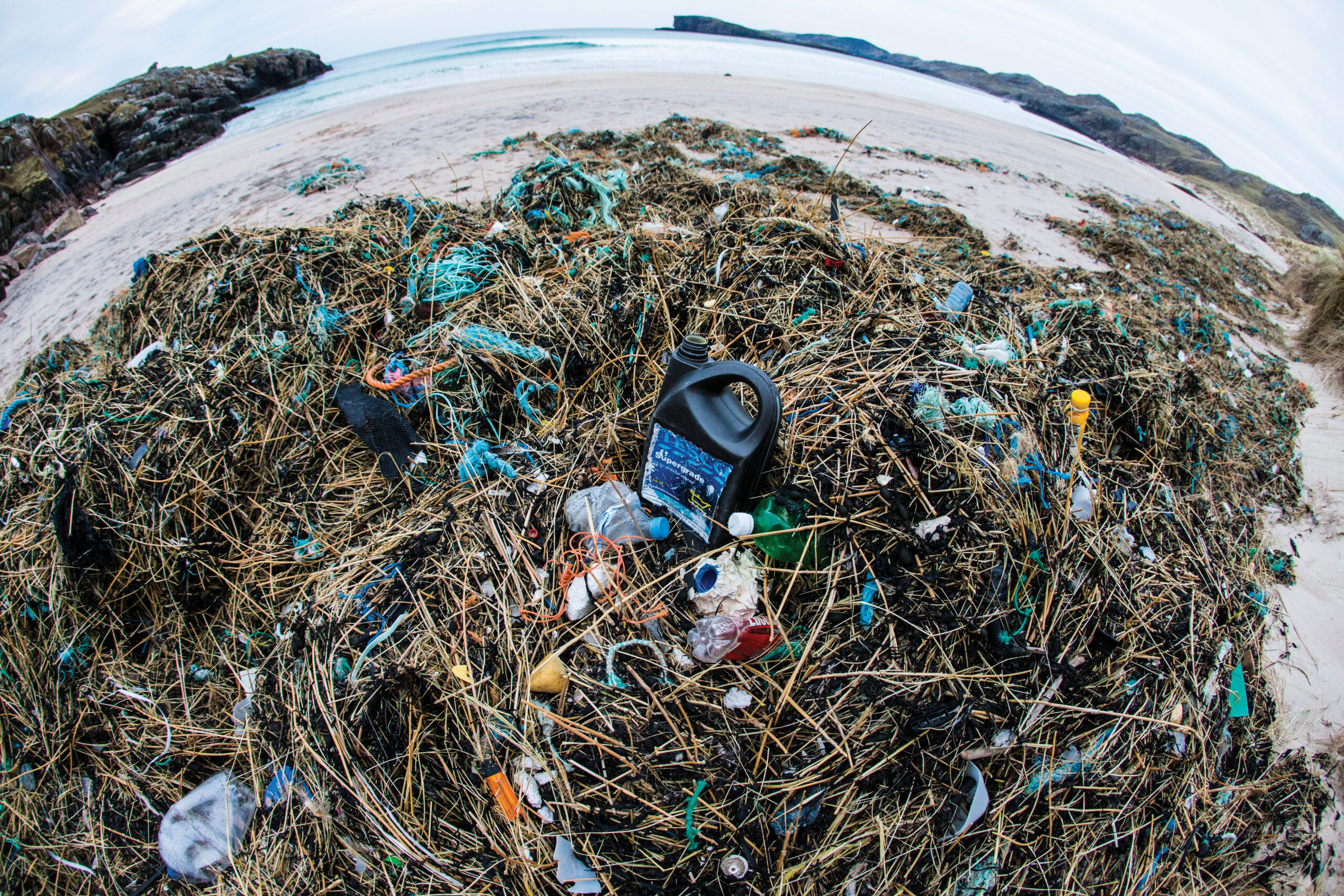
As the top polluting material in Scotland, plastic is devastating the environment, with everything from packaging and plastic pellets, to fishing gear and drinks bottles ravaging our wild waters and carrying with them toxic chemicals.
The next Scottish Government must turn promises into effective domestic policies that reduce plastic production at the source and truly build a circular economy by prioritizing the rollout of reuse infrastructure and policies that make polluters pay!
Species are suffering, human health is at risk; with 1,300 tones of plastic pollution entering Scottish seas annually, there really is no time to waste – so let’s stop producing it.
Plastic pollution – what we’re calling for:
We are calling for the next Scottish Government to cut plastic production and create a circular economy. To achieve this they must:
- Set legally binding national targets to cut plastic production
- Deliver a circular economy by setting legally binding reuse targets, implementing a DRS and EPR scheme that holds polluters to account for all types of plastic pollution
- Ban hazardous chemicals in plastic
- Ban the export pf plastic waste and ensure a just transition for workers in the plastics industry
Two crises, one cause
Whether it’s sewage or plastics, Scotland faces the same fundamental problem: a lack of transparency and accountability.
We don’t know the true scale of sewage pollution because 66% of overflows aren’t monitored. We don’t know what’s actually in our water because testing only covers two types of bacteria. And we don’t have a credible plan to tackle plastic pollution because the government won’t commit to reducing production at source.
Without transparency on the problems, we can’t hold anyone accountable for the solutions. Without the full picture on sewage spills, or a robust strategy on plastics, these crises will only deepen.
The Scottish Government has the power to change this. The question is: will they?
What next?
Over the next months, Scottish political parties will be releasing their manifestos, and we’ll be scrutinising every line on sewage and plastic pollution. But manifestos mean nothing without communities holding politicians to account. That’s where you come in.
The solutions exist: full monitoring of sewage overflows, water testing that reveals the true health of our water, and a circular economy strategy that actually reduces plastic production at source and prioritises reuse infrastructure. The solutions are policies that make polluters pay.
The Scottish Government has shown inspiring environmental leadership before – now we need them to turn that same ambition towards our waters.
This election year is our chance to make it happen. We’re working with communities across Scotland throughout 2026, from beach cleans to campaign actions, and we need you with us. Whether you’re using the SSRS app to report sewage spills, participating in beach cleans, or asking your candidates what they’ll do differently – every action counts.
Our waters deserve protection, not excuses. Let’s make sure every candidate knows Scotland’s wild waters, and the wildlife and people who depend on them, are watching. Keep an eye on our channels for ways to get involved, and visit out Scotland election hub to read our manifesto for Scotland here.
Sources:
- Common Wealth(2023). Who owns Britain. Available here: https://www.common-wealth.org/interactive/who-owns-britain/data-dashboard/tabs/water
- SEPA (2021). Improving Urban Waters. Available here:https://www.sepa.org.uk/environment/water/improving-urban-waters/
- SEPA (2024). Overflow Data. Available here:https://www.scottishwater.co.uk/your-home/your-waste-water/overflows/overflow-event-data
- SEPA (2007). Home. Available here:https://www.sepa.org.uk/
- Surfers Against Sewage (2025). SSRS Alerts in Scotland. Available here:https://www.sas.org.uk/updates/scotlands-first-sewage-alerts-live-on-app/
- Environmental Rights Centre for Scotland (2024). Clean Up Scotland’s Sewage. Available here:https://www.ercs.scot/clean-up-scotlands-sewage/