Is 2026 the year we end sewage pollution?
After decades of campaigning for an end to sewage pollution and profiting from pollution, the UK Government has promised to 'reform the water industry'. But will it be good enough? 2026 could be the year the Government finally ends sewage pollution - but will they?
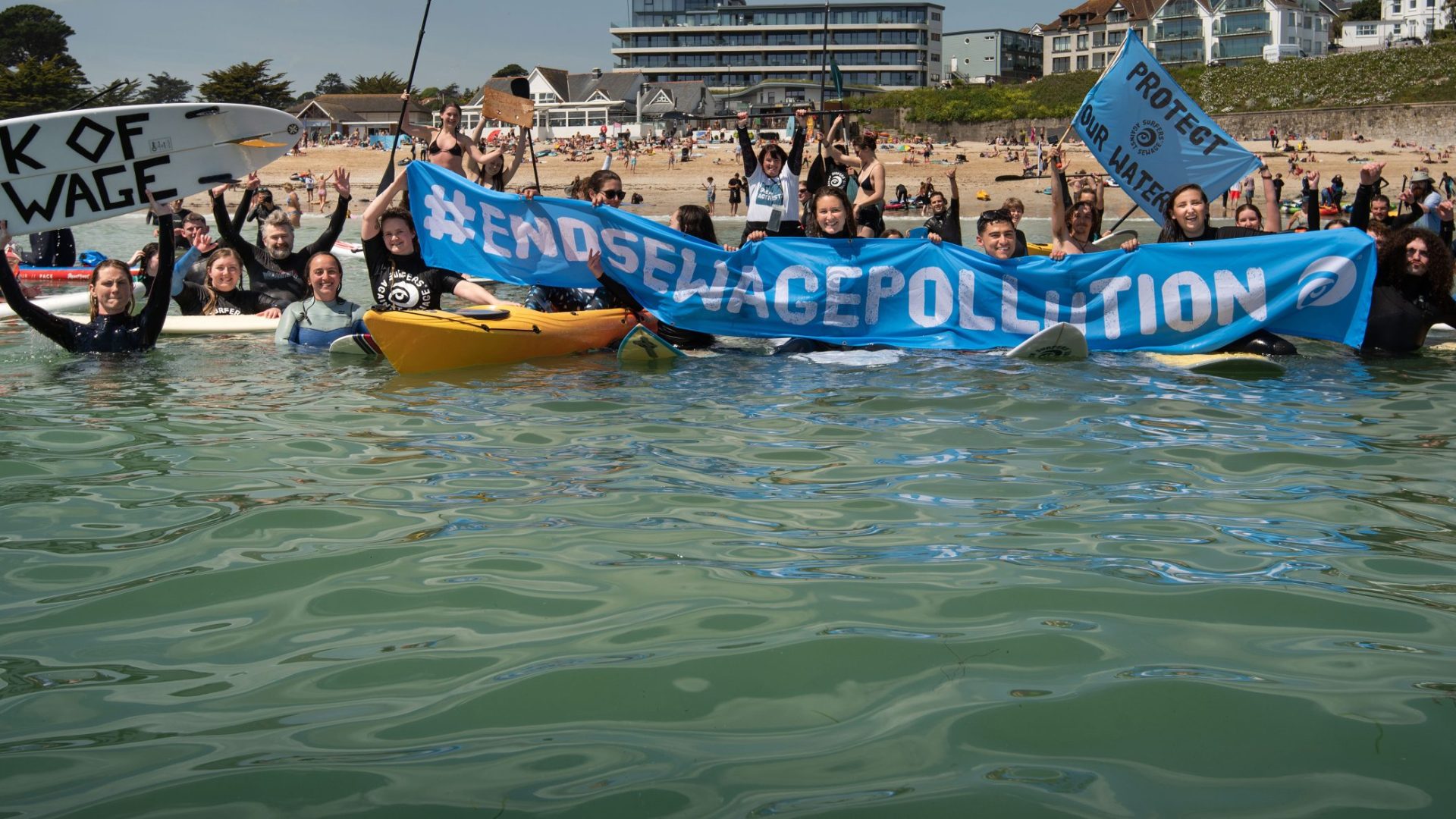
You may have been following our campaign to #EndSewagePollution and profit from pollution over the past few years. The good news is that, after years of calling for reform, the UK Government has promised to reform the water industry. But soon, we’ll be able to see whether the proof is in the pudding – the UK Government are set to release their vision for the water industry within the coming weeks.
The vision, known as a ‘White Paper’, will set the direction for the Government’s action to tackle sewage for the rest of its term in Parliament. They have said this will include ‘radically reforming’ the industry. Included within their plans, we anticipate a Bill to pass through parliament to deliver this, which is expected to be the biggest switch-up in water from the UK Government since privatisation. And so, finally, with the proposals announced in the coming weeks, we can judge if the Government plans go far enough to tackle the root of the rot in the water industry.
We’ve been calling on the Government to finally put an end to the profit-driven sewage pollution. This vision will allow us to take a temperature check on their ambition and see whether they intend to tackle the failing water industry head-on or continue to play along the sidelines.
What are we calling for?
We will be testing the White Paper against 5 things to see if it’s ambitious enough to make the change our waters need. If the Government is serious about transformational reform, it should include:
1. Legal priority to protect public and environmental health
Water companies provide an essential public service. Protecting people and nature must come before profit. It’s time to put public and environmental health at the top of the legal agenda, where it belongs.
2. Democratic decision making
Decisions about our water shouldn’t be made behind closed doors. Power must shift to the people. Local communities, councils, engineers, environmental groups, and everyday water users – those who understand what’s at stake. And that power must be real, not just a tick-box exercise.
3. Value for money
Bill payers deserve better. That means a system where money goes where it’s needed: into fixing infrastructure, not lining pockets. Long-term investment must be tied to real delivery, and nature-based solutions must lead the charge, bringing climate and biodiversity wins with them.
4. Tough independent regulators
Regulators must do what they’re there to do: uphold the law and protect people and planet. That means shutting down illegal sewage dumping, ending rewards for polluters, and coming down hard on poor performance. No more cosy relationships or toothless watchdogs – regulators must be fully independent, fully funded, and fully fearless.
5. Transparency
The public deserves to know what’s really going on. Water companies must come clean about their pollution, profits, and payouts – with clear, accessible data that protects people’s health and shows us where the money is going.
What happens next?
Once published, the Government is planning to consult on their ideas for the reform of the water sector. We will be responding to the consultation and supporting the public in responding as well. After that, the Government will launch their Water Reform Bill, expected in July, which will progress through Parliament in the second half of the year. We’ll continue to push the Government to get the water industry to work for people and nature and put an end to sewage pollution.
How can you get involved?
Sign up for our mailing list to hear how you can respond to the Government’s announcement next week. And keep in the loop with our campaigning over this critical year for water.